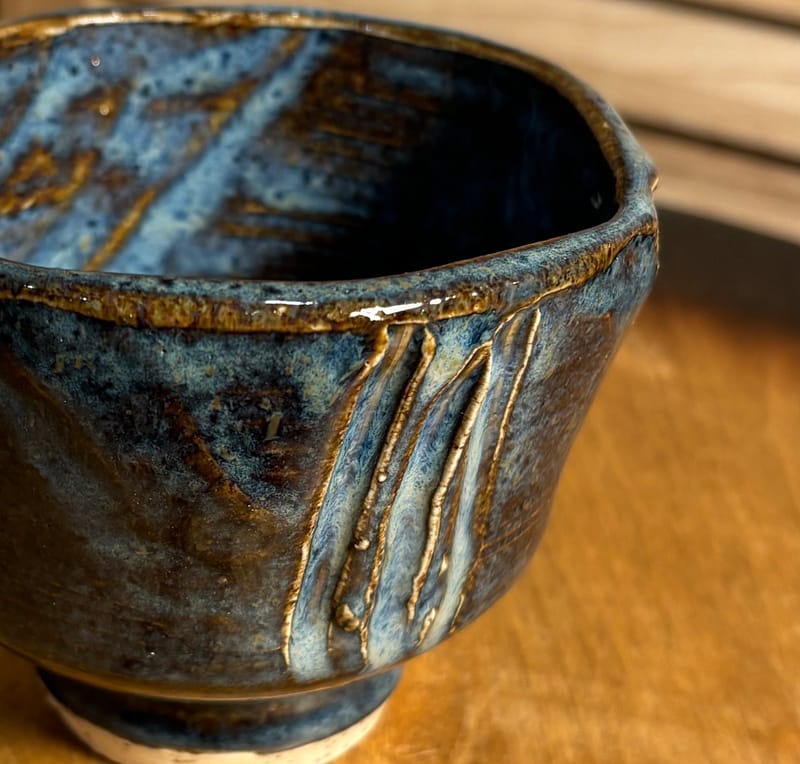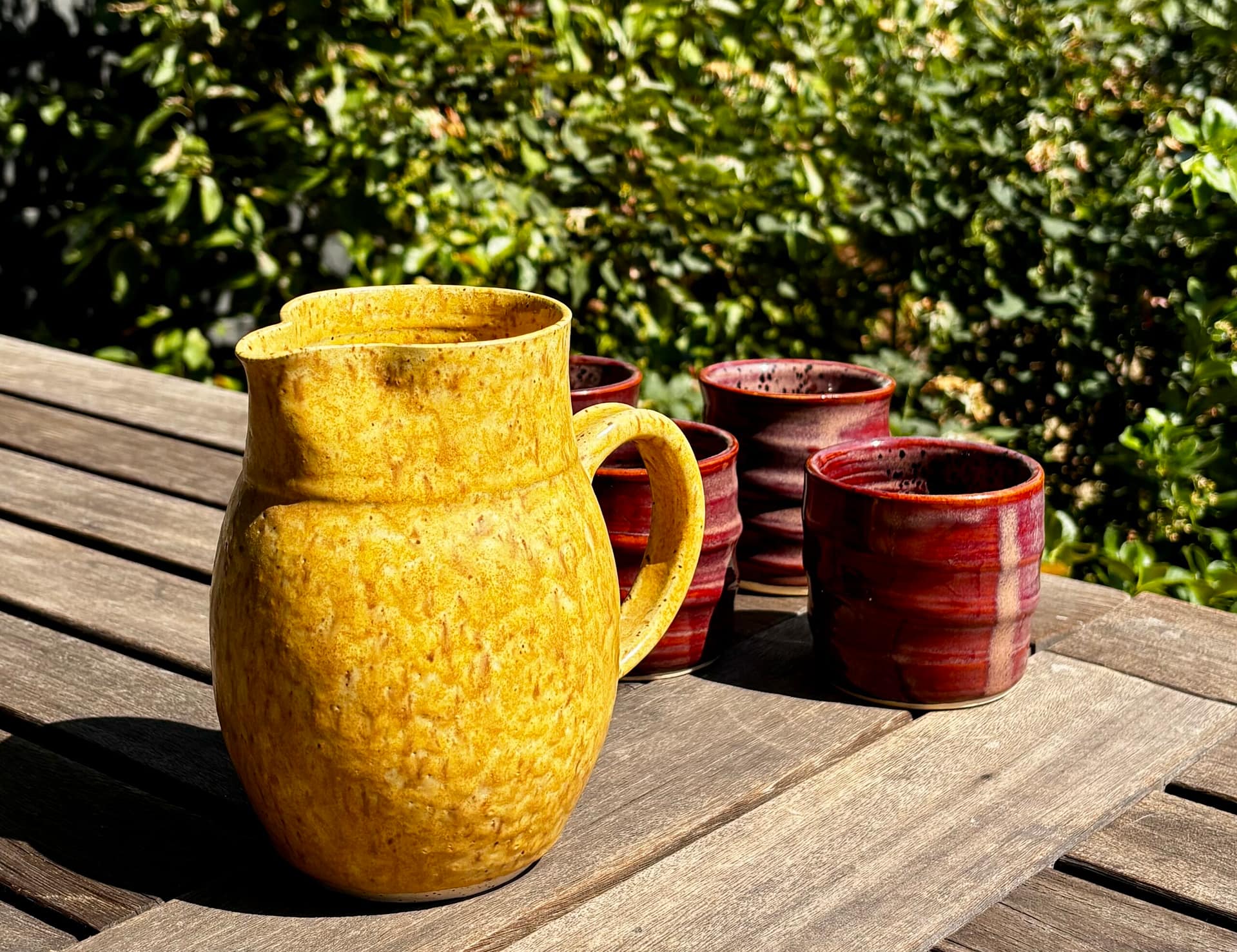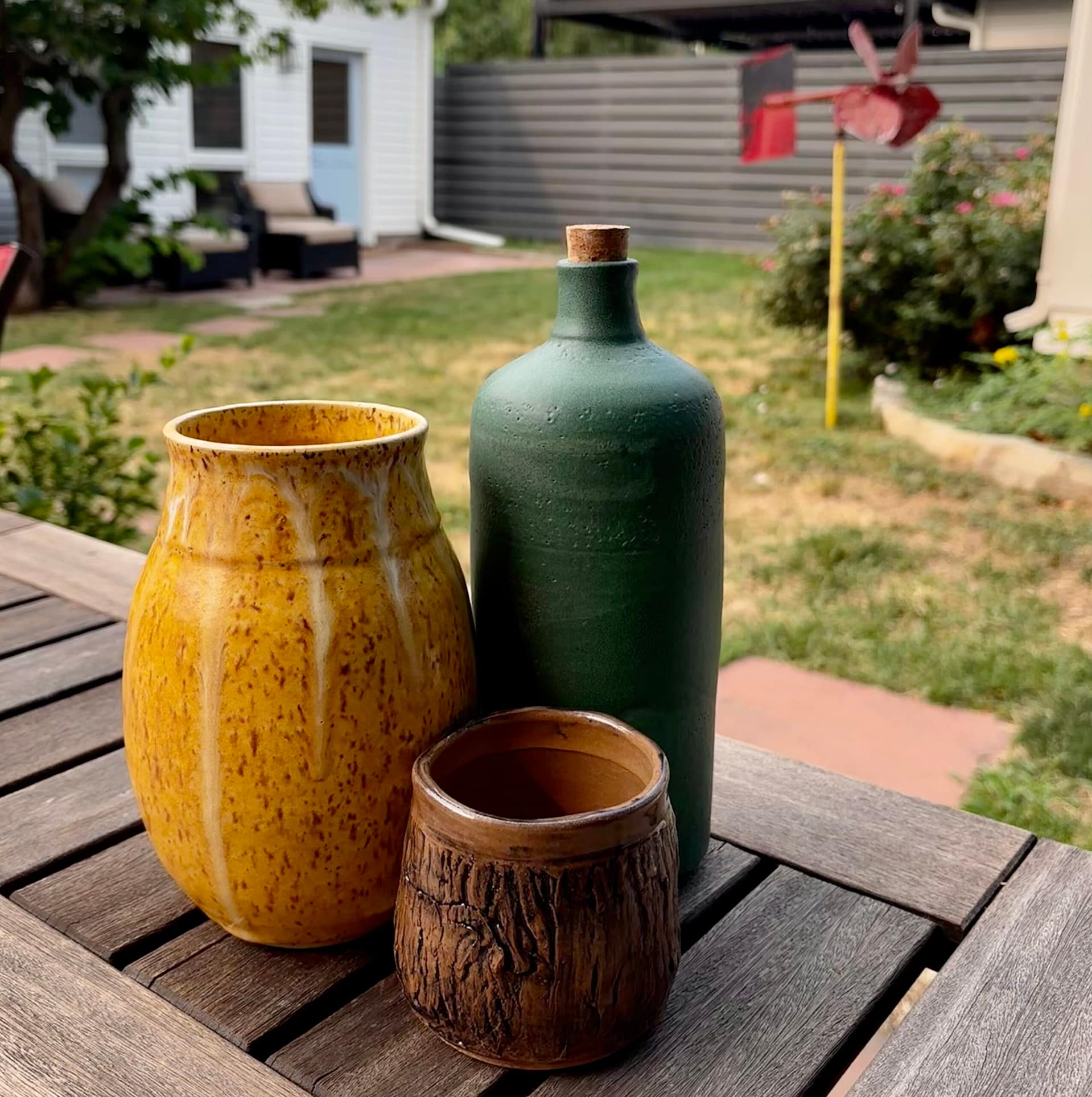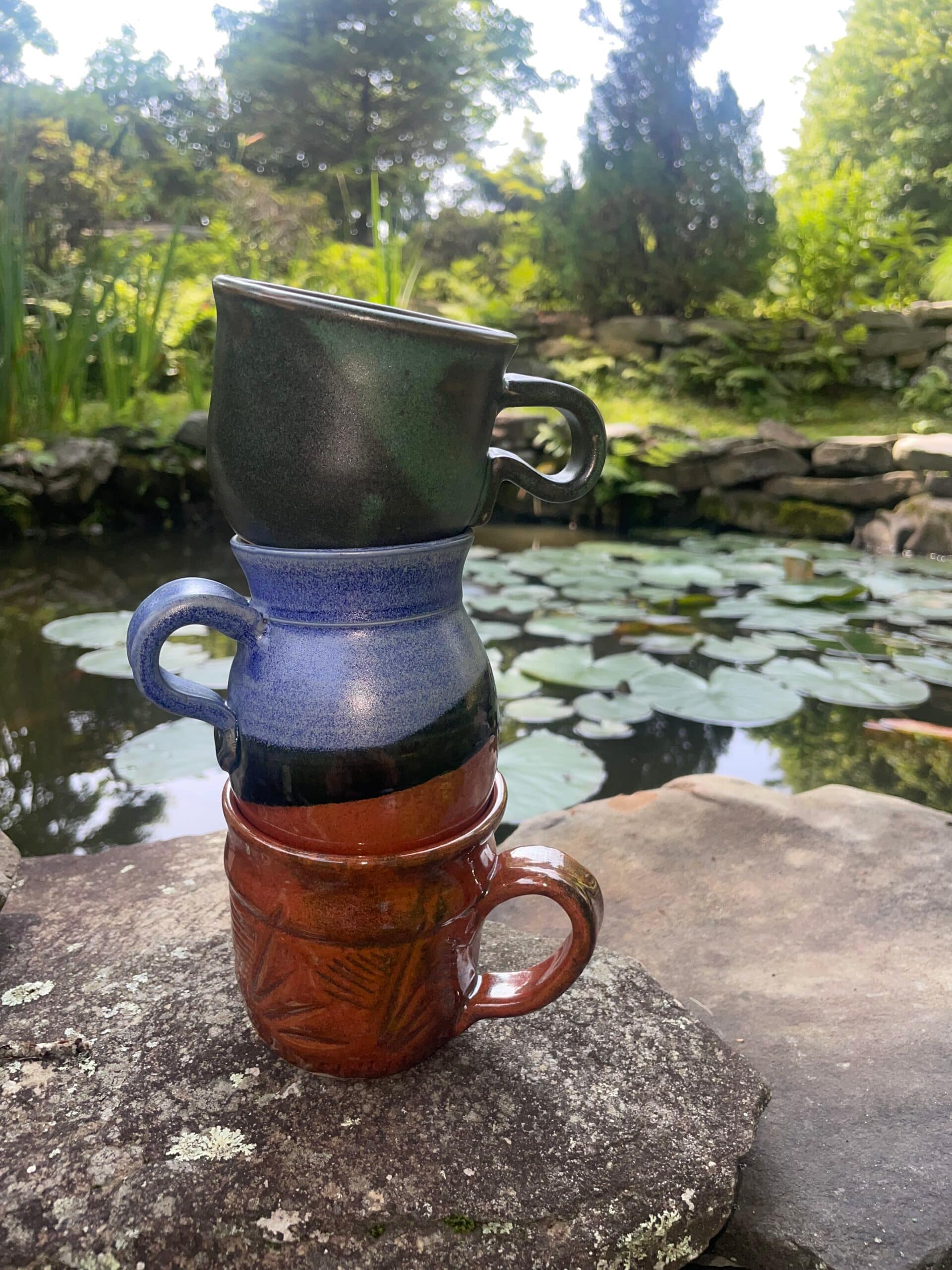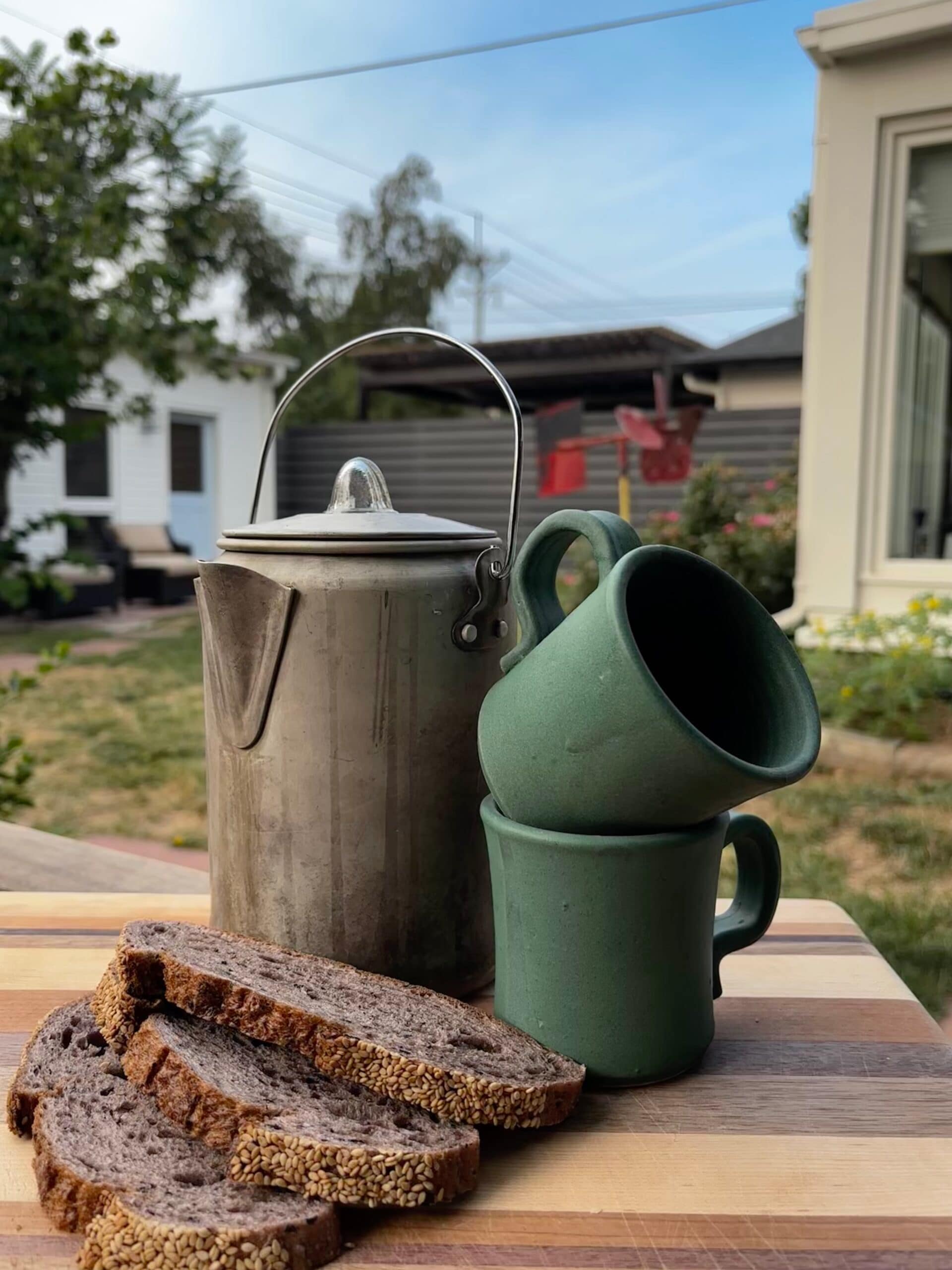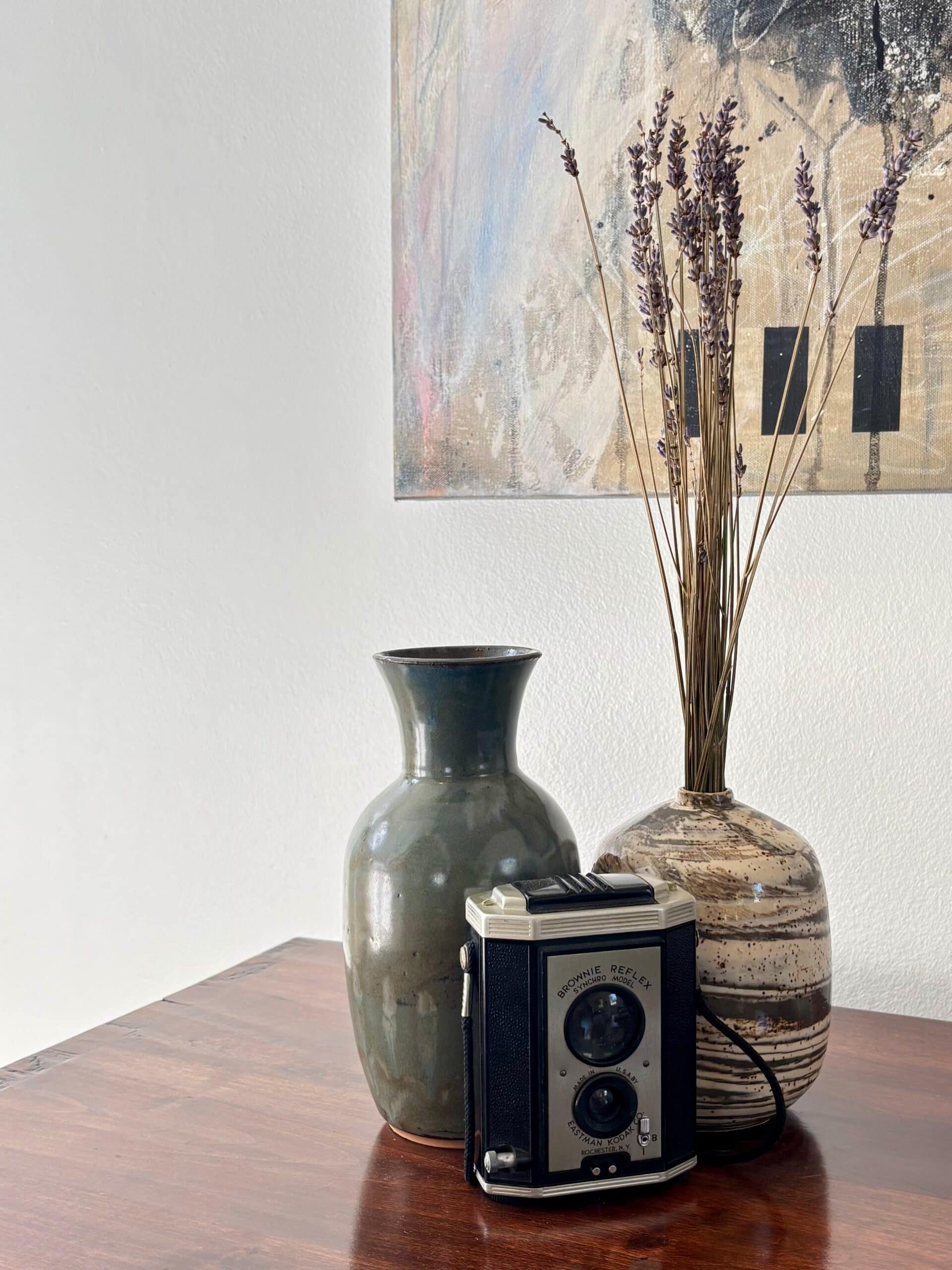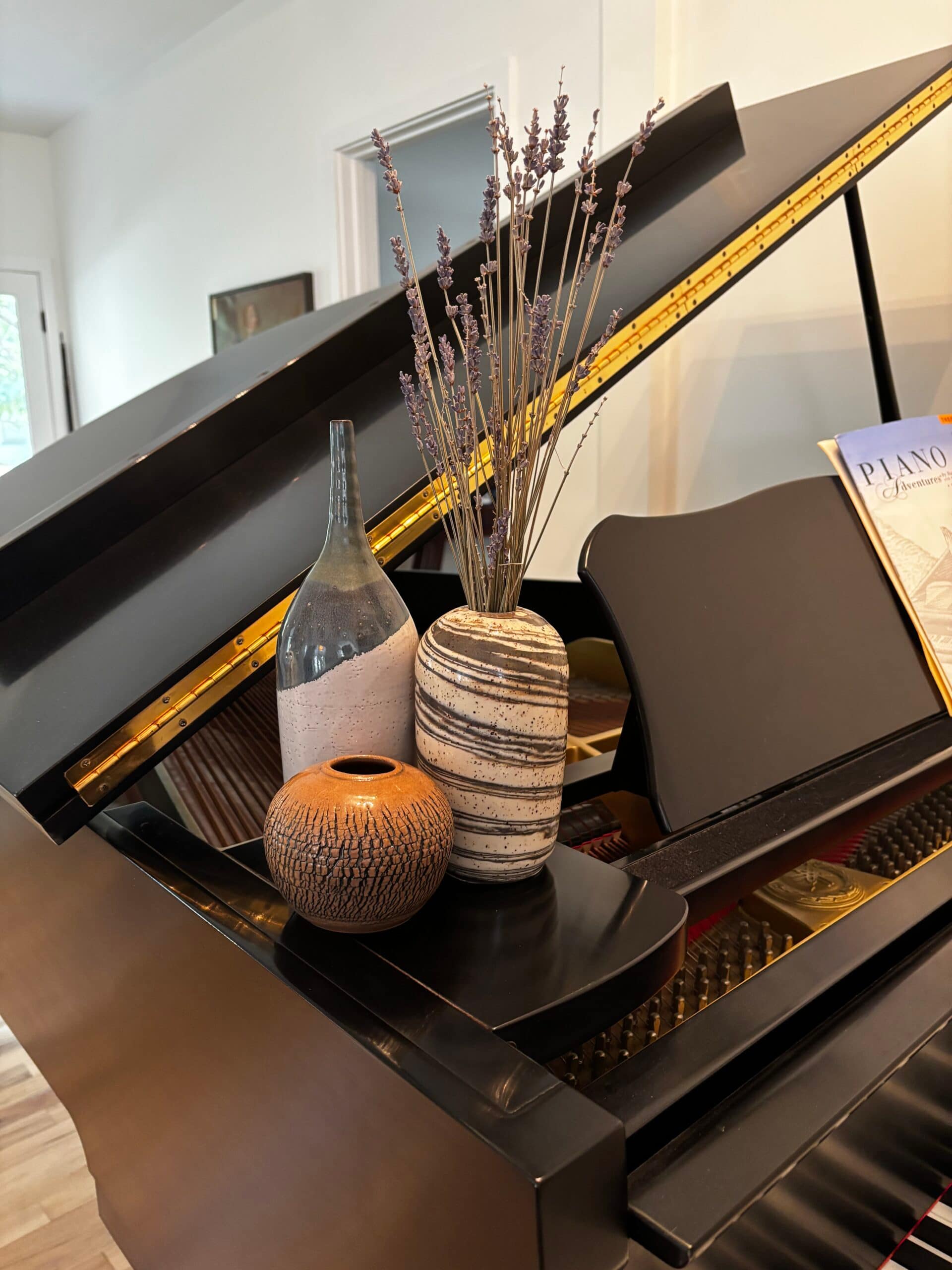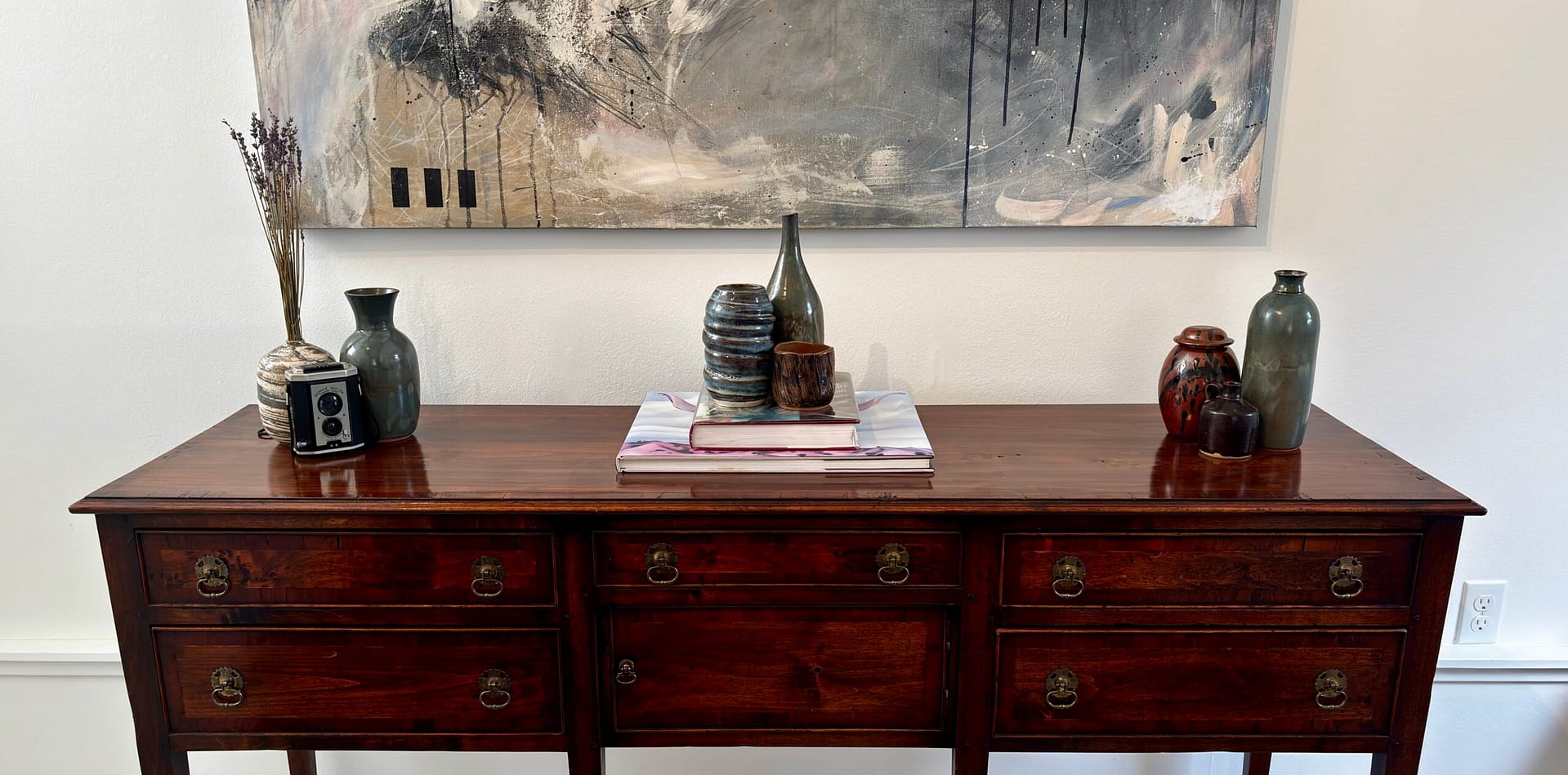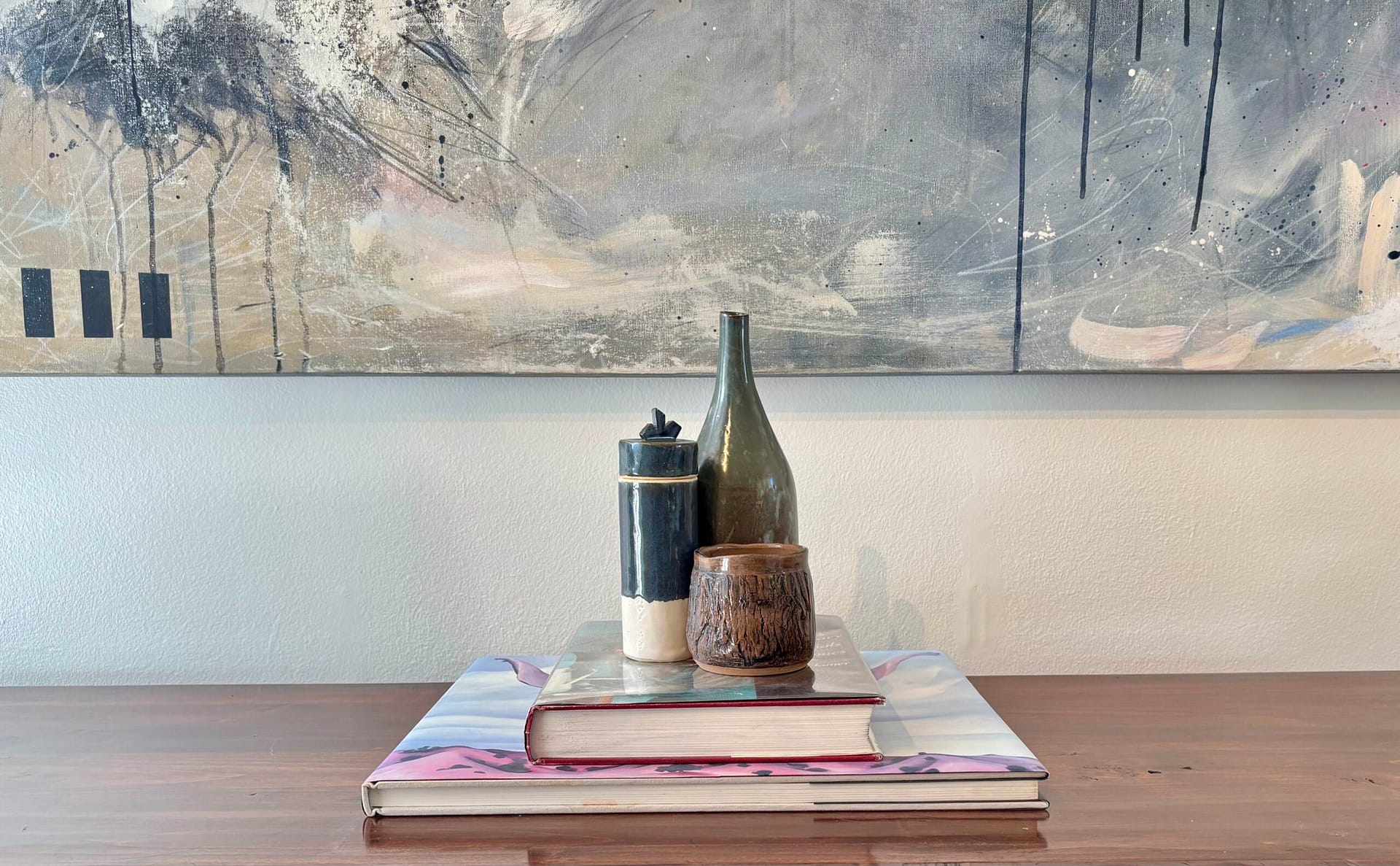


Wolfgang Reichard’s ceramics begin with a simple material and an equally simple philosophy: “It’s just mud.” The phrase is less a dismissal than it might first seem. In Reichard’s studio, clay is meant to be explored, pushed, exaggerated, and occasionally turned into something delightfully strange. His work includes wheel-thrown and hand-built plates, bowls, mugs, pitchers, miniature vessels, chicken pots, stump mugs, and witch cauldrons. And every one of them comes from mud. Each piece balances usefulness with humor, craftsmanship with experimentation, and tradition with a distinctly contemporary personality.
That combination reflects Reichard’s own winding path toward becoming an artist. Before founding Throwing Mud, he worked as a strategic consultant in Atlanta, focusing on applied creative thinking and corporate innovation. The work was intellectually engaging, but he found himself searching for creativity without an assigned outcome.
“I liked the work, but found myself wanting a more pure form of creative expression,” he says. “Creativity for its own sake rather than as a means to solving a business problem.”
That search led him to Boone, North Carolina, in late 2019, where he visited his uncle, Eric Reichard, a potter and ceramics professor with more than five decades of experience. Eric had studied with renowned Japanese potter Shoji Hamada, and his home studio offered Wolfgang an unexpected point of entry. One afternoon, Reichard sat down at the wheel.
All the noise in my head went quiet,” he recalls.
He spent the remainder of the trip finding every possible excuse to return to the studio. Once home, he bought a wheel and began throwing whenever time allowed. When he later moved to Boulder for graduate school, the wheel moved into his apartment with him, along with the inevitable spray of water, clay, and mud.
Once home, he bought a wheel and began throwing whenever time allowed. When he later moved to Boulder for graduate school, the wheel moved into his apartment with him, along with the inevitable spray of water, clay, and mud.
The setup was unsustainable, and Reichard eventually stopped working for more than a year. The absence of a studio proved more difficult than broken pots, long nights, or difficult firings. For Reichard, ceramics had become more than a solitary practice. It was a source of rhythm, focus, and community. A return trip to Boone helped restart the process. Back in Colorado, artist Liz Compos invited him to rent space in a warehouse shared by the Jamestown Jade Collective. Reichard began teaching informal classes, accepting custom orders, and participating in the North Boulder Art District’s First Friday events, sometimes packing more than 200 pieces into his car for a single show.
Reichard’s ceramics pay homage to Appalachian folk pottery traditions, but his forms are rarely restrained. Handles swell, silhouettes stretch, and familiar objects take on playful, exaggerated proportions. The work feels grounded in history without becoming nostalgic.
It honors the directness and practicality of folk pottery while leaving room for wit, imperfection, and surprise. His miniature pots are among his most distinctive creations. Measuring roughly an inch and a half tall, they reference the sample cases once carried by traveling Appalachian potters, who used miniature versions of their wares rather than transporting full-sized vessels. Reichard often keeps more than 100 of these tiny works on hand. Though small, they retain the gestures, proportions, and personality of functional pottery. That interest in function remains central to his practice. A mug should feel good in the hand. A pitcher should pour well. A bowl should be useful. Yet utility does not require seriousness. Reichard considers aesthetics and ergonomics carefully, then allows humor to disrupt expectations.
His teaching practice extends that openness to others. Hand-building classes and one-off workshops emphasize accessibility, experimentation, and the pleasure of making. Students are encouraged to take risks, follow unusual ideas, and view mistakes as part of the process. Today, Reichard works from a shared Boulder studio with Compos and a broader community of potters, painters, stonecutters, and musicians. He also serves on the board of the North Boulder Art District, supporting the creative community that helped him find his own place within the city.
Through Throwing Mud, Reichard has built a practice rooted in craft but energized by curiosity. His ceramics remind us that functional objects can carry history, humor, and a human touch.
They can be carefully made without becoming precious. After all, it is just mud. And in Reichard’s hands, that is exactly what makes it meaningful. They also do custom commissions, and check out his site for new pottery.
@wolf.does.things | throwing-mud.com