
Article By: Zak Lodhi
Meet the astronauts of the Artemis II crew
There are a few titles left in the modern world that still carry true weight. Astronaut is certainly one of those.
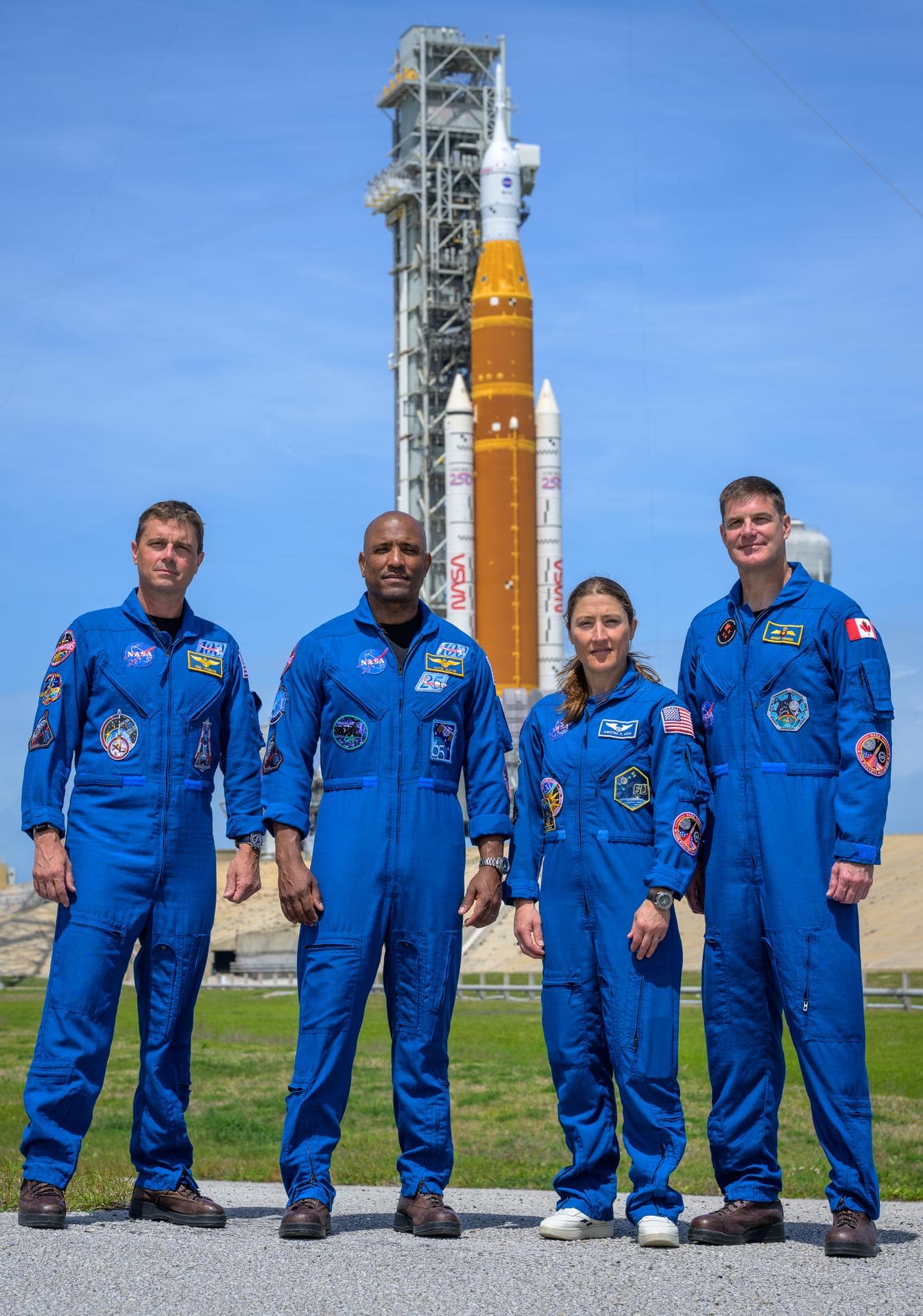
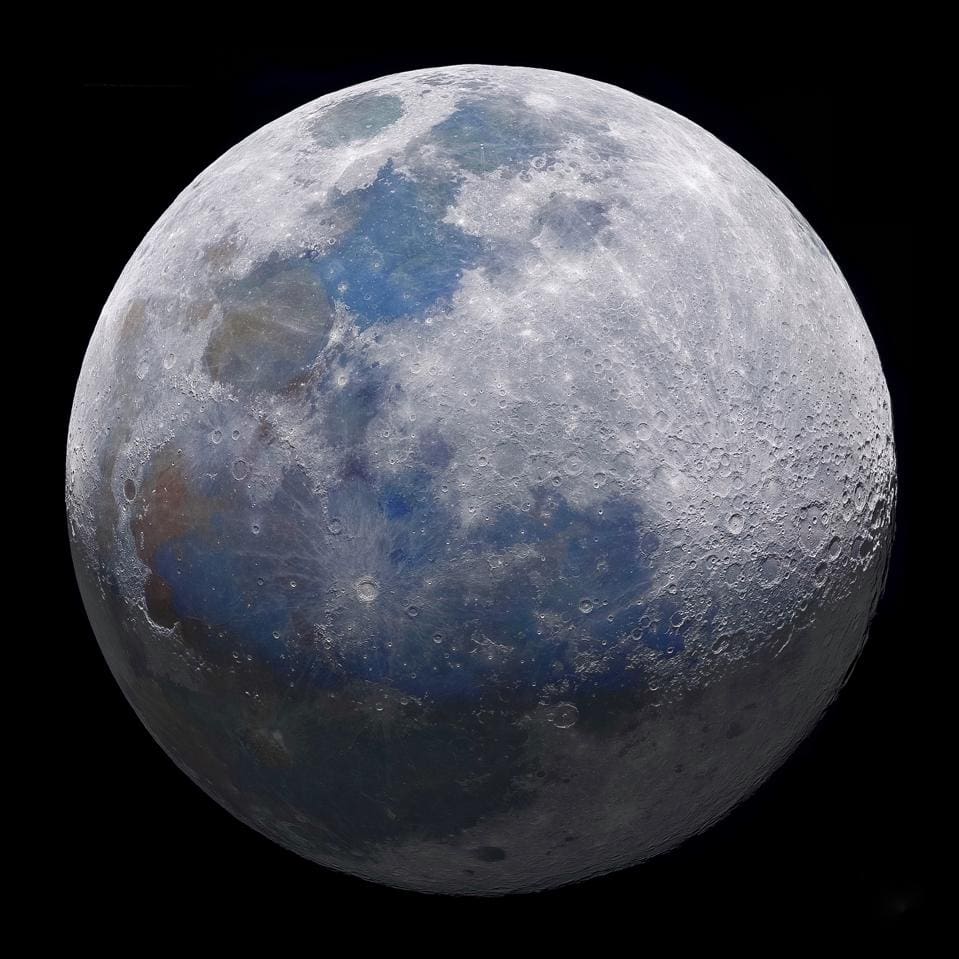
The Artemis II crew is currently farther from Earth than any other humans in history. This mission marks humanity’s long-awaited return to deep space, carrying this select group of individuals to the moon for the first time in over half a century. So come with us to take a closer look at the extraordinary men and women who make up the Artemis II crew.
At the forefront is Reid Wiseman, a naval aviator-turned-astronaut who brings both leadership and quiet precision to the mission. Born in Baltimore, Maryland, Commander Wiseman has a bachelor’s in computer and systems engineering. and a master’s in systems engineering from John Hopkins. Commander Wiseman is the best of the best. Later, he would become a US Navy Captain and a fighter pilot flying everything, including the F-35 Lightning II. After training to be an astronaut, Commander Wiseman would fly to the ISS on both Expedition 40 and 41 in 2014. He’s had a storied career at NASA, rising from deputy chief astronaut to chief of the astronaut office. But Commander Wiseman would step down from that role to return to flight status specifically for the Artemis mission. His role is not just to command, but to represent the steadiness required for a journey where the margin for error doesn’t exist.
Joining him is Victor Glover, making history as the first Black astronaut to travel on a lunar mission. Glover studied General engineering at Cal Poly in his home state of California. And has received multiple master’s degrees for flight test engineering, systems engineering, and military operational science. Glover would then go on to become a US Navy Captain, logging 3,000 hours across 40+ different aircraft, flying over 400 carrier landings and 24 combat missions. And Glover didn’t slow down. He was selected as an astronaut in 2013. Glover draws on that tremendous piloting knowledge and the experience he’s gained piloting the SpaceX Dragon flight to the ISS to guide the Artemis II crew to their destination. His presence on Artemis II signals that the future of space belongs to the exceptional.
Mission Specialist Christina Koch brings a record-setting resume, including one of the longest single spaceflights by a woman. Achieving dual degrees in electrical engineering and physics, plus a master’s in electrical engineering. Koch actually started as just an electrical engineer at NASA’s Goddard Space Flight Center. She proved herself time and time again, working on everything from space equipment to performing essential operations in Antarctica and Alaska. She worked her way all the way up to becoming an astronaut. She set the record for the longest single spaceflight by a woman in space, having spent 328 days in space. Nearly as much as the rest of the crew put together. Her experience is measured, proven, and essential. She joins the Artemis II crew as a part of a new archetype of astronaut, one defined not by novelty but by capability and endurance at the highest level.
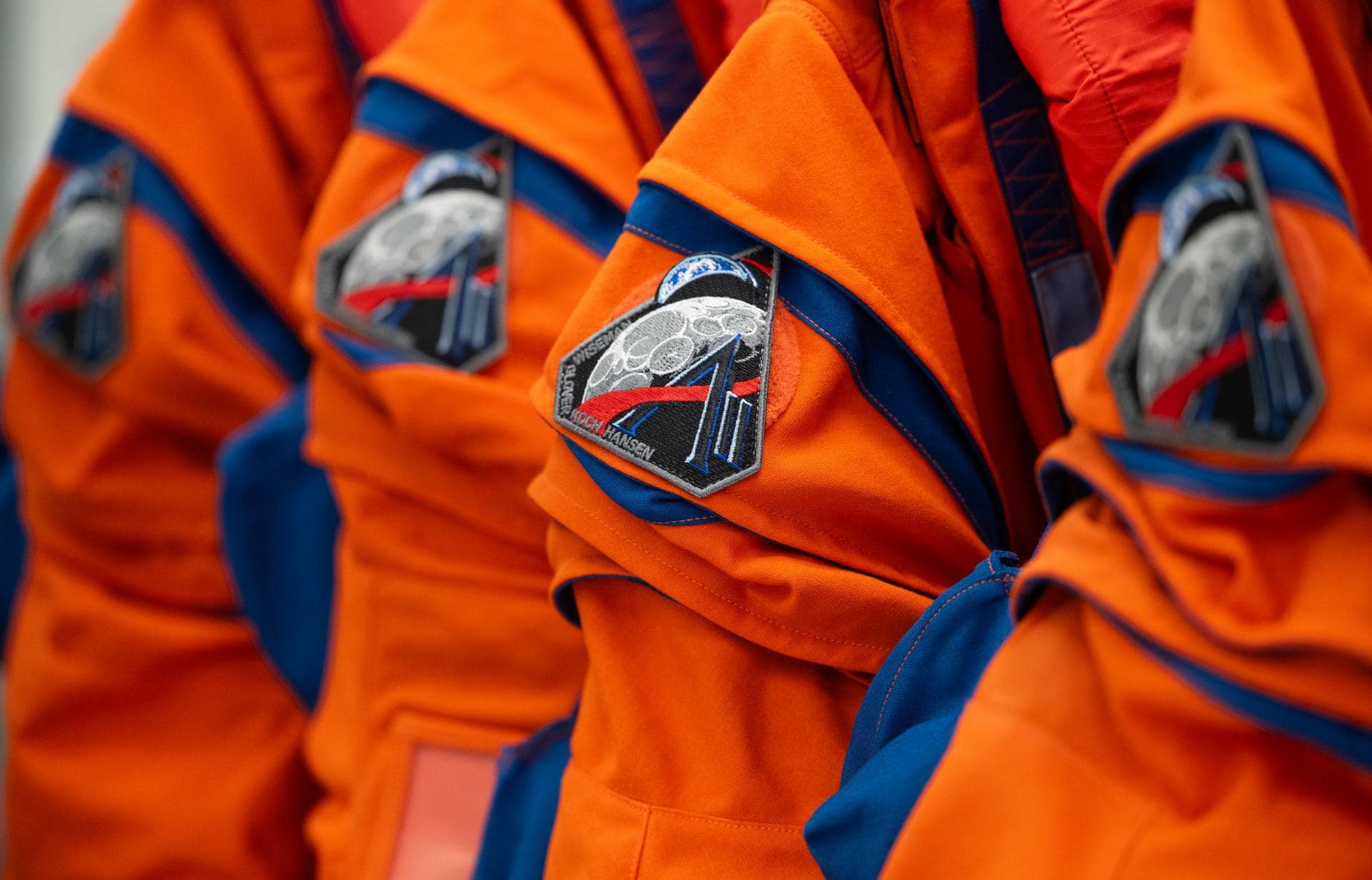
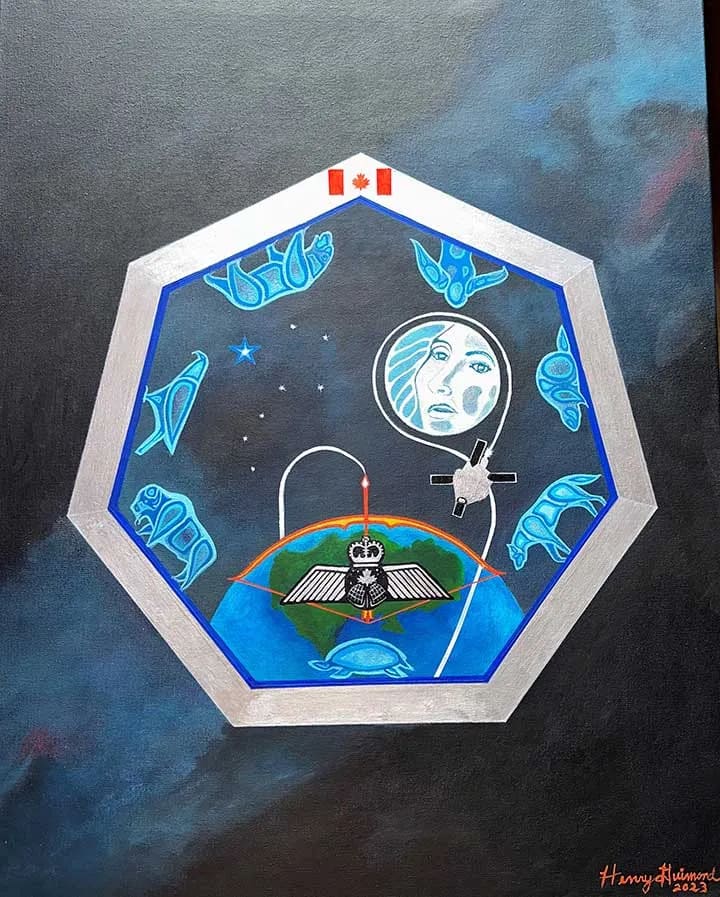
Completing the crew is Jeremy Hansen, representing Canada in what will be the nation’s first journey to the Moon. Growing up on a farm, Hansen never believed he’d go to space. But completing a bachelor’s in space science and then a master’s in physics, he always dreamed of the stars. A Royal Canadian Air Force colonel, he’s been training since 2009, when the Canadian Space Agency selected him to become an astronaut. He’s been training alongside NASA astronauts and the Artemis II crew at the Johnson Space Center for years and served as an aquanaut on NEEMO 19, a rare distinction. This experiment tested living underwater and simulated spacewalking prep. But he does not travel alone. Hansen is traveling for both Canadians and all of humanity. He was gifted a badge that he now wears on his flight suit, representing the Anishinaabe seven sacred teachings and honoring the Sagkeeng First Nation: a reminder that Artemis is not just an American endeavor, but a shared step forward for humanity.
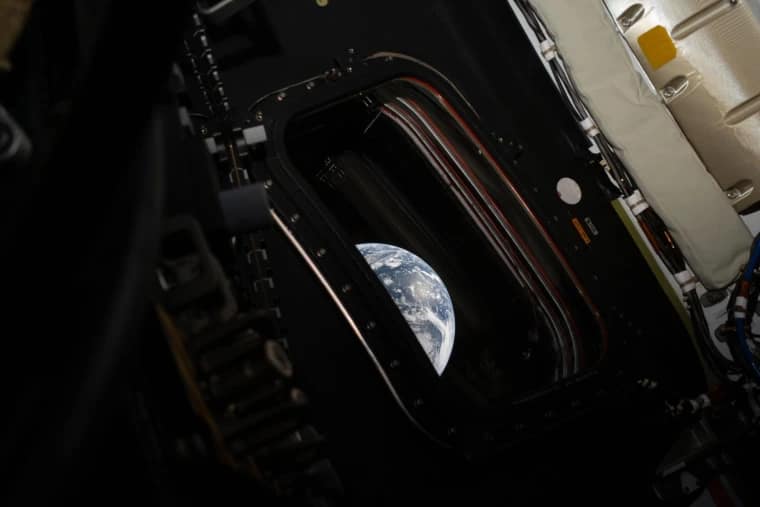
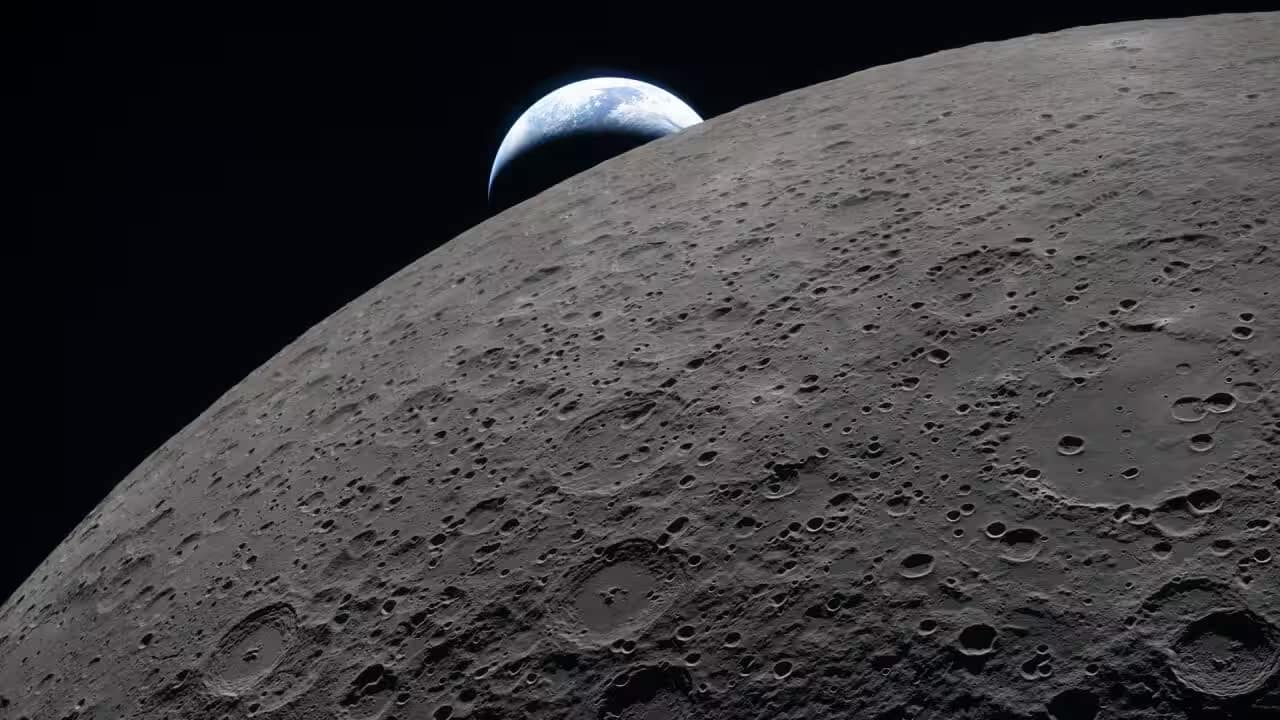
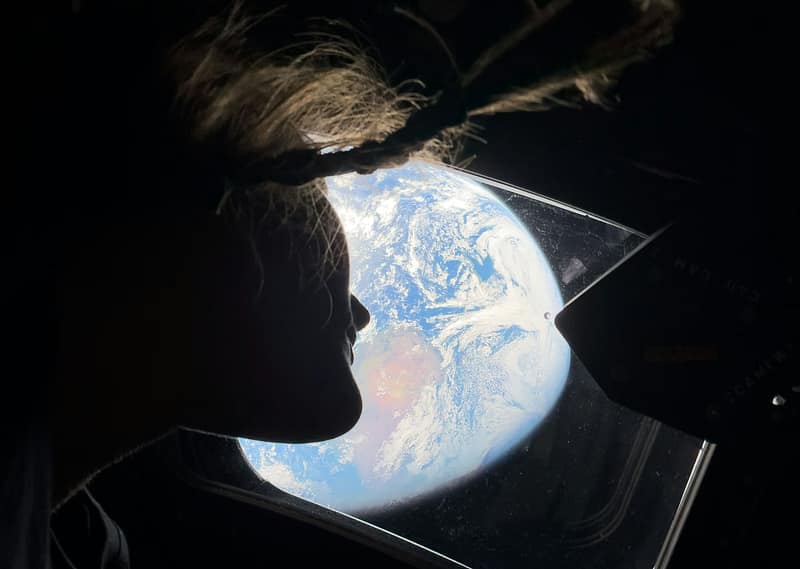
Together, they form the Artemis II crew, a team that is both symbolic and functional. But beyond credentials, beyond training, beyond the technology that will carry them, there is something else that sets this crew apart. Perspective. Artemis II is not about landing. It is about orbiting the Moon and returning, a journey that will offer one of the rarest views imaginable: Earth, distant, fragile, and complete. The Artemis II crew will have a vantage point reserved for almost no one. And that’s what defines this moment. In a world where access has expanded to nearly everything, true exclusivity has become rare. Yet here it remains, untouched. Four individuals, selected not by wealth or status, but by discipline, resilience, and an unwavering commitment to something larger than themselves.