

Article By: Zak Lodhi
The Human Form as Memory and Presence
“The human figure carries memory. In sculpture it becomes both presence and history.”
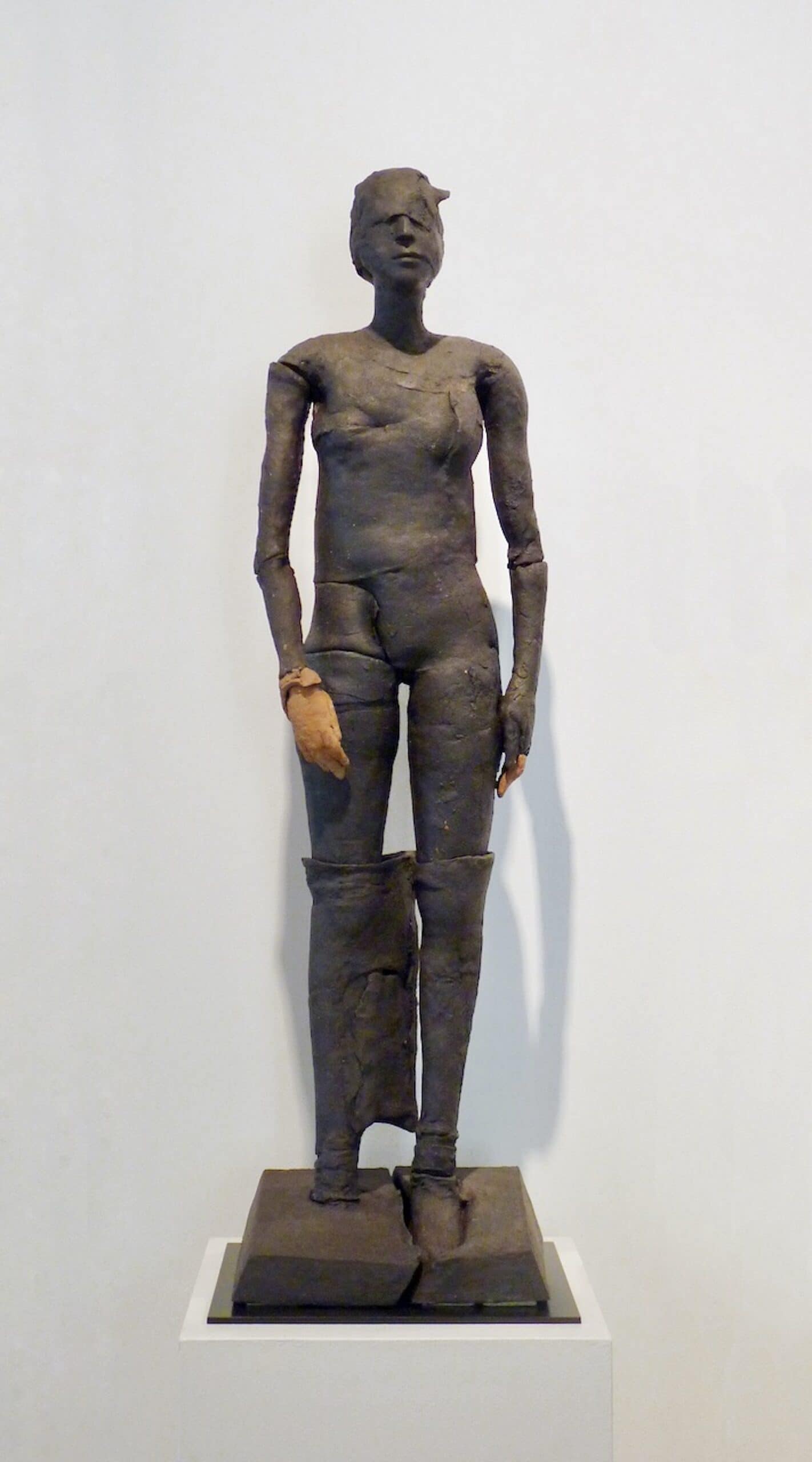
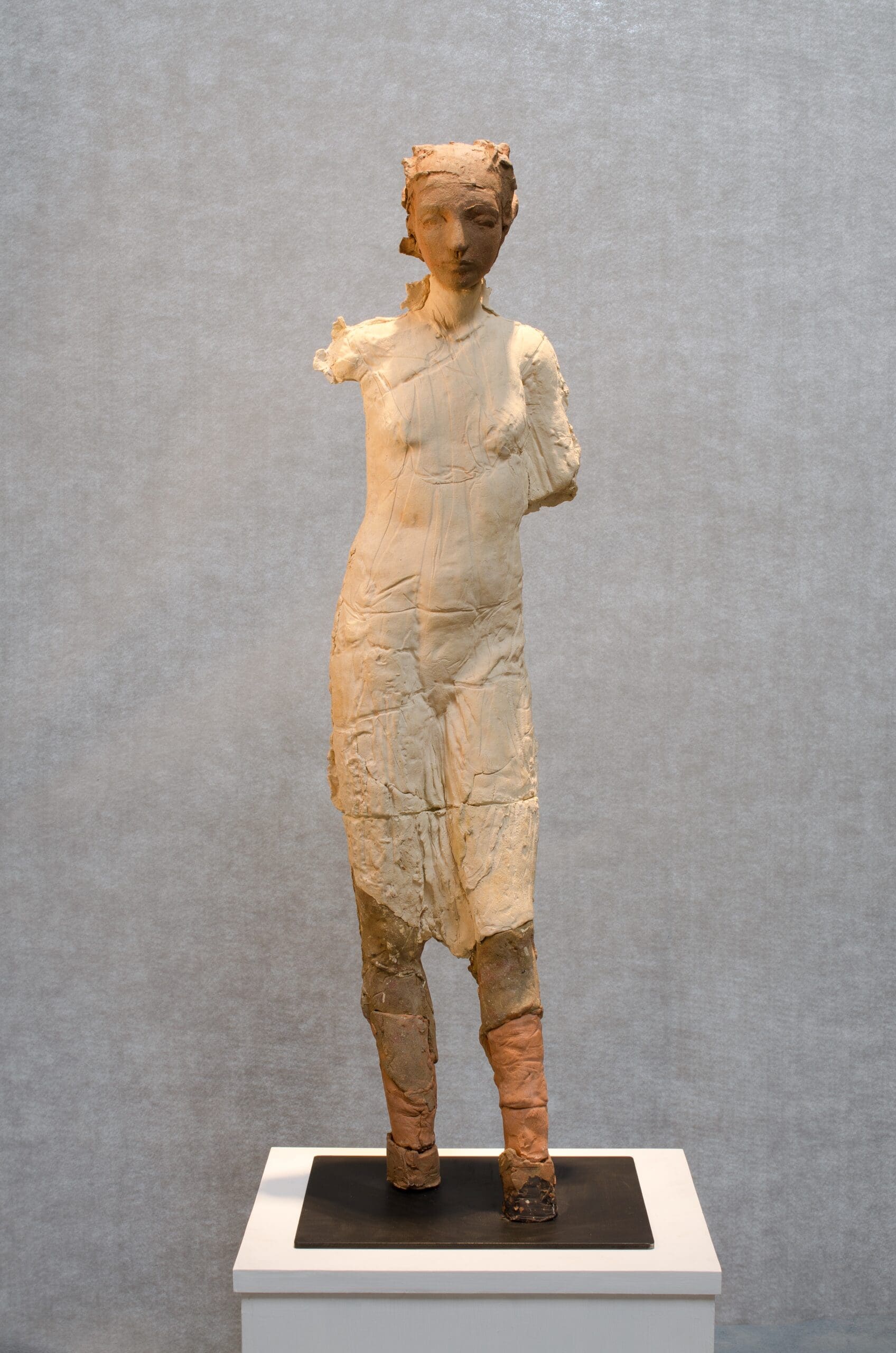
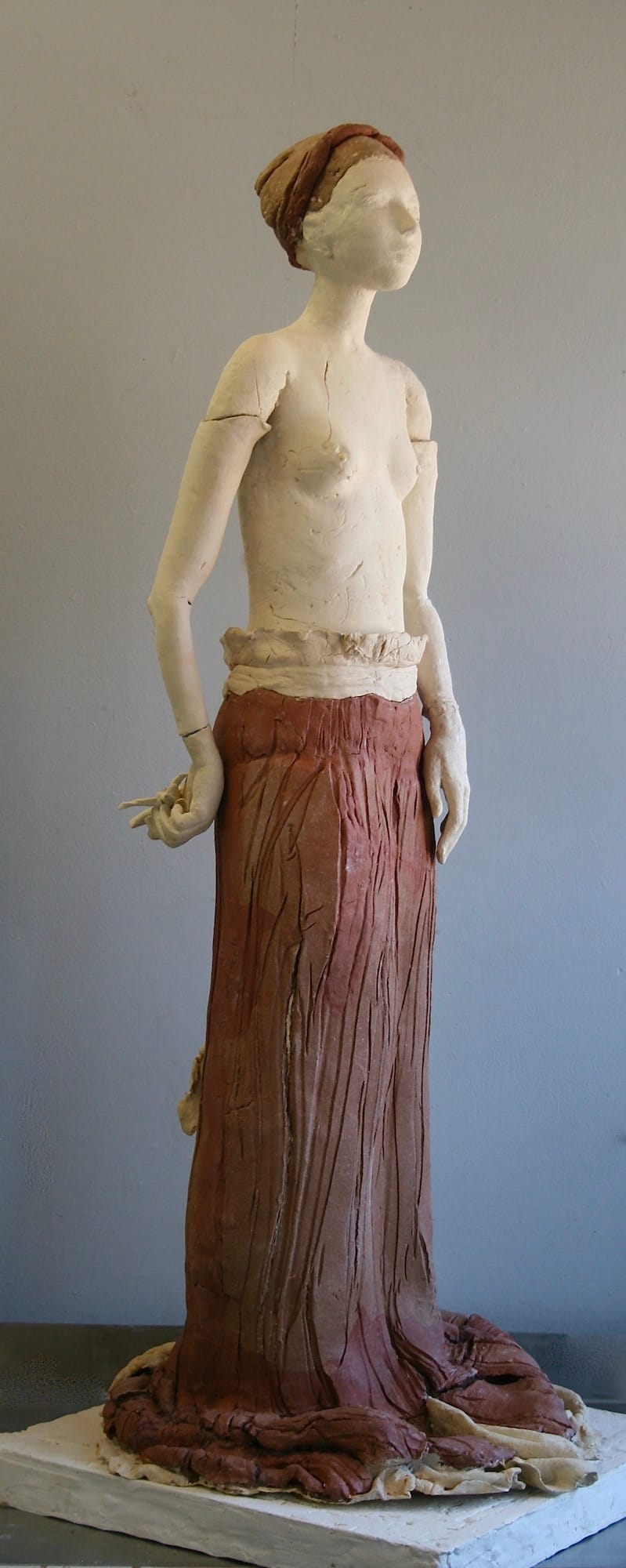
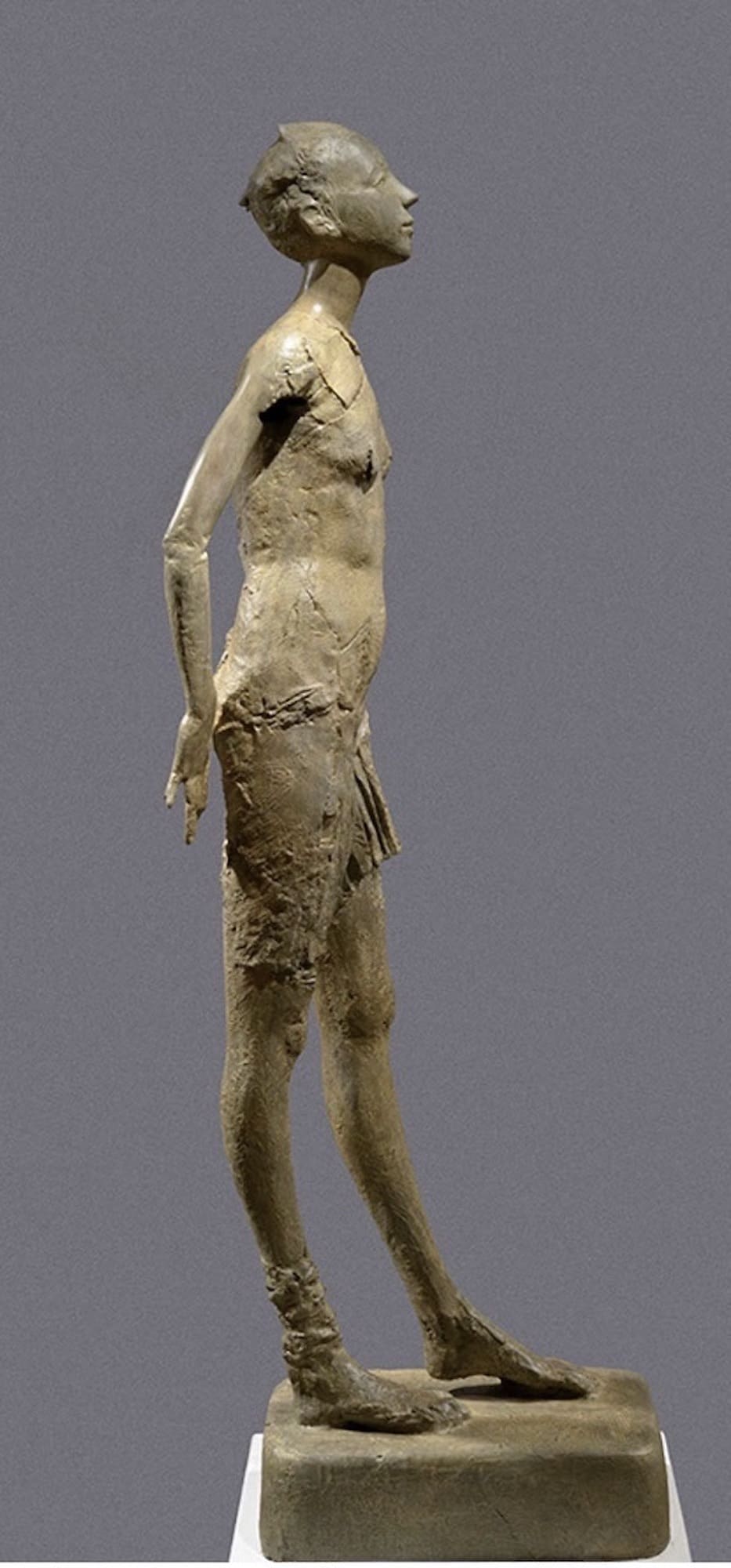
There is no image in art more evocative than the human form. For sculptor Judith Stewart, the figure has a unique ability to mirror our own experience. When we encounter the human body in art, we feel a moment of recognition. Emotions surface, memories return, and the artwork connects directly to our own lives. Stewart’s sculpture grows from this sense of recognition.
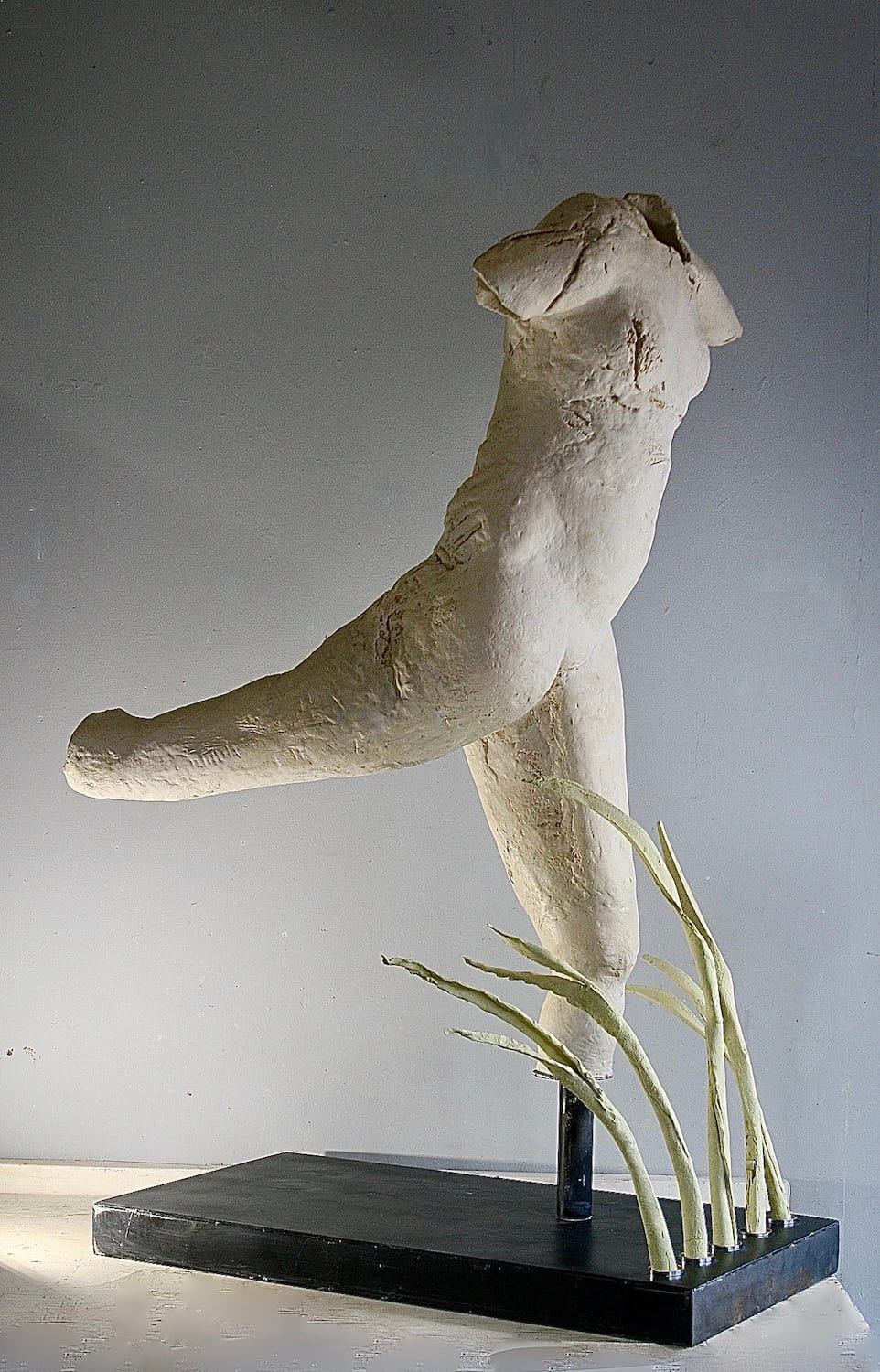
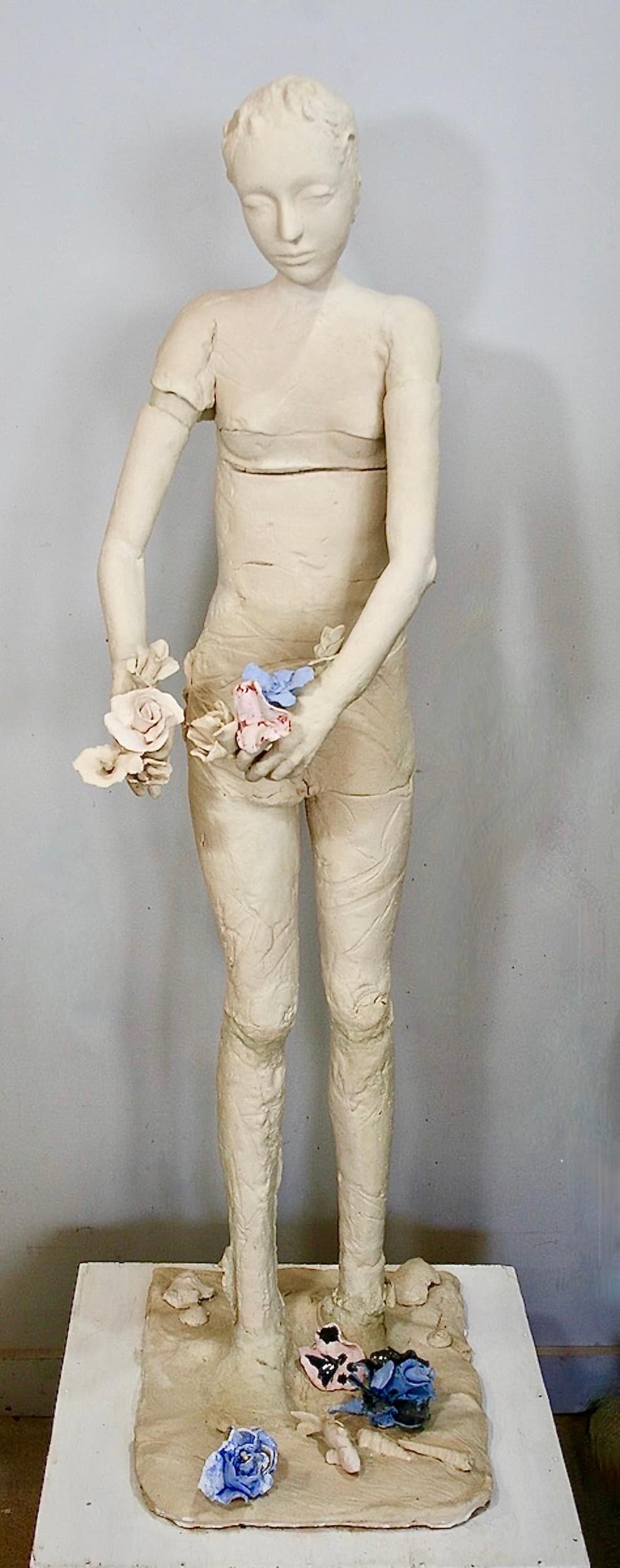
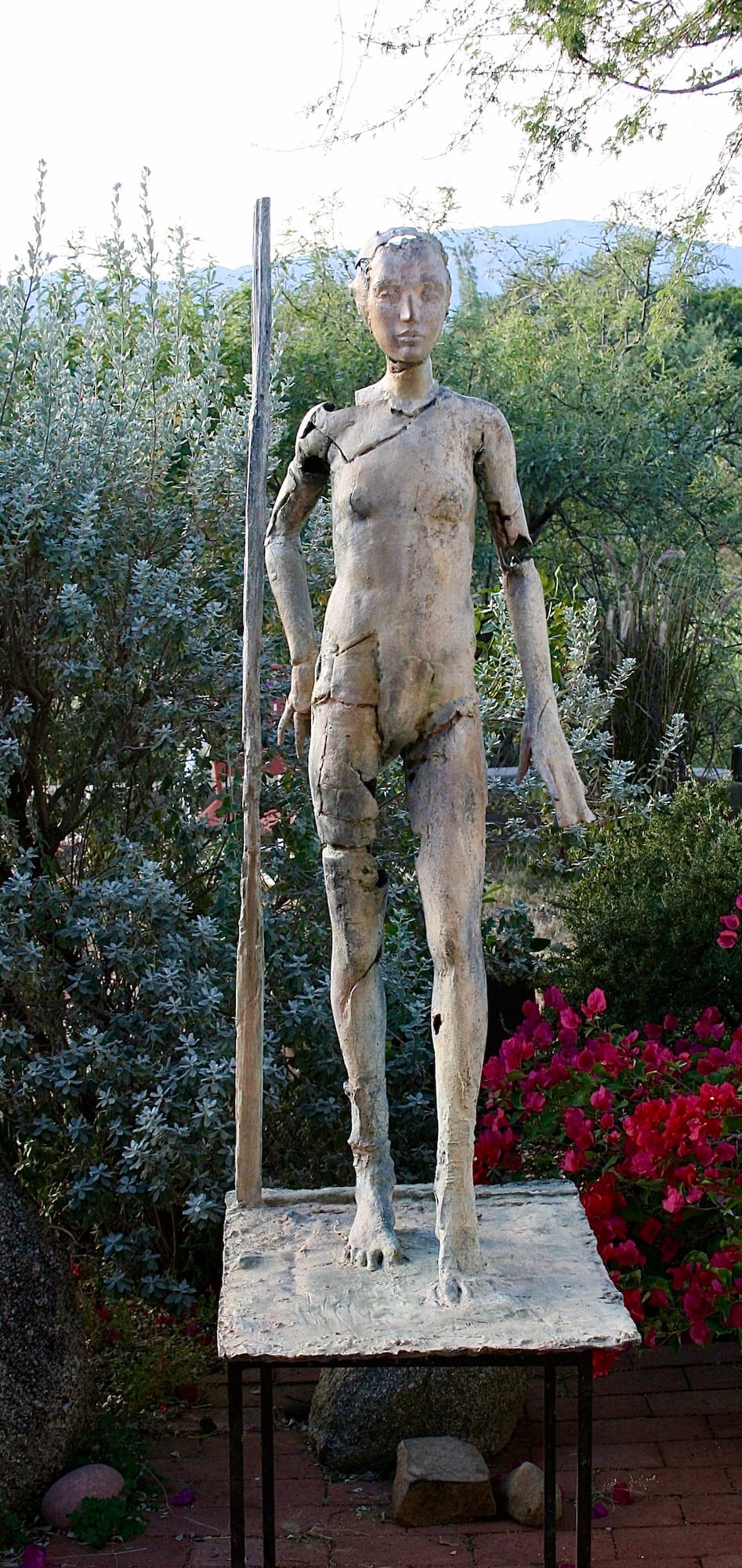
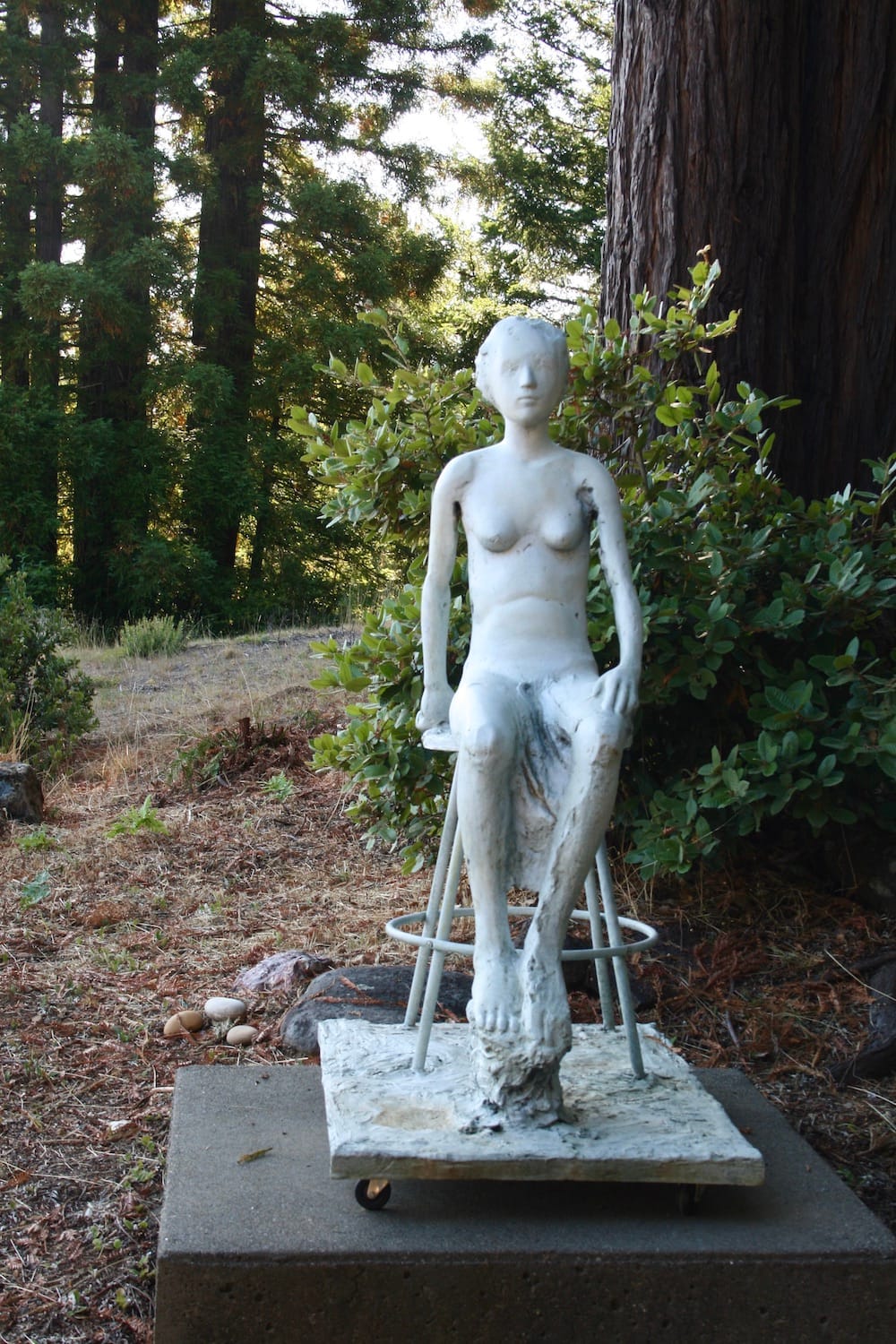
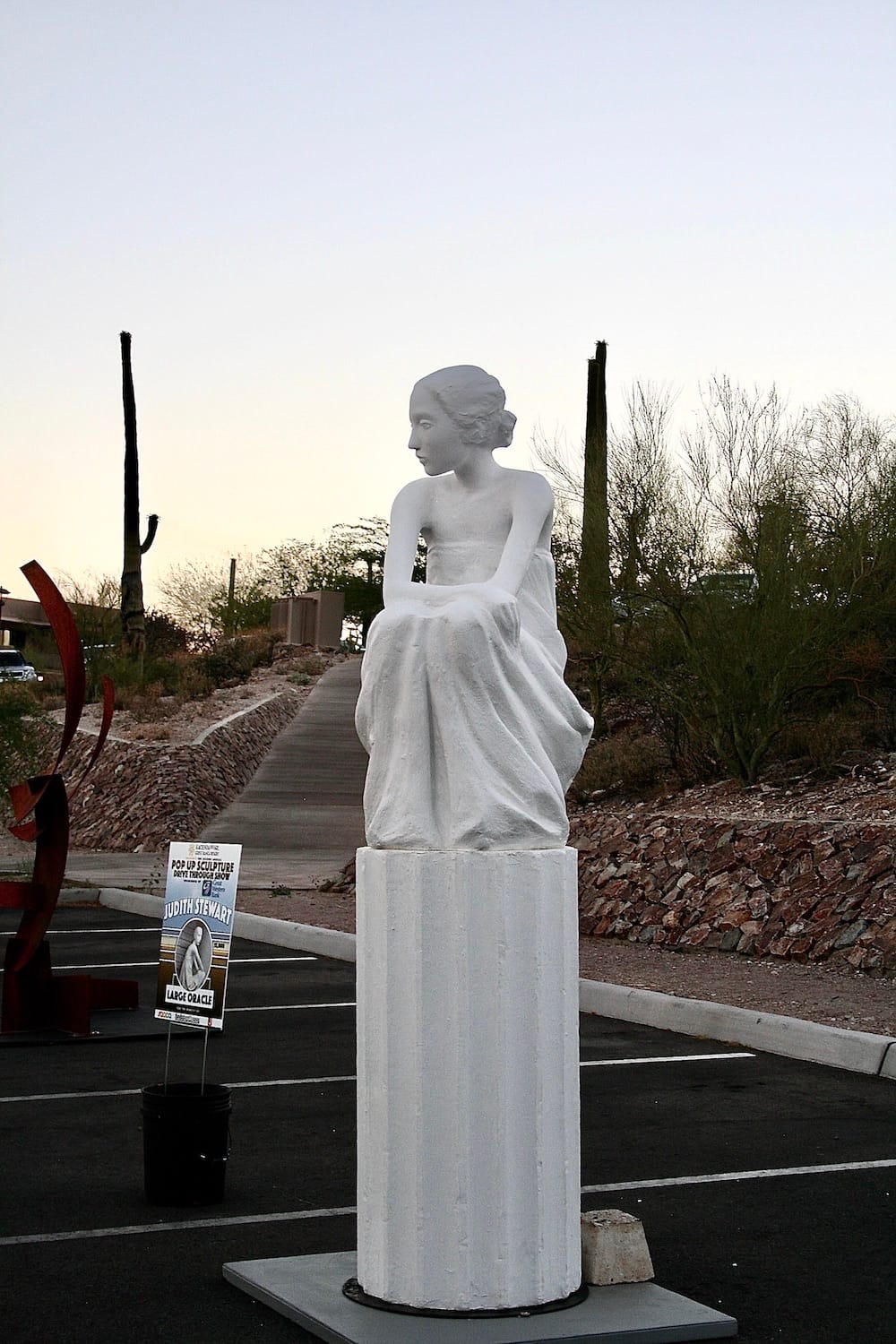
Her work centers on the female figure, approached not as an external object, but as a deeply personal subject. Judith specifies that her figures are not conceived as finished designs before the work begins. They exist inwardly, unformed, waiting to be shaped. Each sculpture becomes a merging of memories, images, histories, and impressions accumulated over a lifetime.
Through intuition and direct engagement with the material, Stewart gradually brings the figure forward. The process is one of discovery. Materials respond to touch and pressure, and the artist responds in return. The demand placed upon the material to hold form, and the hope that a human presence will emerge with a unique identity, is what Stewart finds most compelling about sculpture. Stewart’s artistic path began in painting.
Rather than approaching a piece with a fixed plan, artists were encouraged to respond intuitively as the work evolved. Visiting professor Nathan Oliveira offered another powerful influence. His expressive figurative paintings revealed that representation could emerge through a process of searching and revision. Drips, scratches, and layers remained visible, preserving the work’s creation history. That idea of discovery through process would later become central to Stewart’s sculpture.
But it wasn’t until later in life that she served as an Assistant Professor in the Art Department at the University of West Florida for fourteen years, and that final piece clicked into place. During that time, she taught in Florence through the Florida State University program and lectured in Cortona, Italy. A grant from the State of Florida allowed her to return to Italy, where encounters with Roman sculpture became a turning point in her artistic focus. Ancient sculptures appeared everywhere in museums, public squares, and fragmented remains embedded in architecture. These encounters shifted her interest from painting sculptures to creating them. In 1991, Stewart moved to Rancho Linda Vista in Oracle, Arizona, an artist community in the wooded foothills of the Catalina Mountains north of Tucson.
Rather than approaching a piece with a fixed plan, artists were encouraged to respond intuitively as the work evolved. Visiting professor Nathan Oliveira offered another powerful influence. His expressive figurative paintings revealed that representation could emerge through a process of searching and revision. Drips, scratches, and layers remained visible, preserving the work’s creation history. That idea of discovery through process would later become central to Stewart’s sculpture.
But it wasn’t until later in life that she served as an Assistant Professor in the Art Department at the University of West Florida for fourteen years, and that final piece clicked into place. During that time, she taught in Florence through the Florida State University program and lectured in Cortona, Italy. A grant from the State of Florida allowed her to return to Italy, where encounters with Roman sculpture became a turning point in her artistic focus. Ancient sculptures appeared everywhere in museums, public squares, and fragmented remains embedded in architecture. These encounters shifted her interest from painting sculptures to creating them. In 1991, Stewart moved to Rancho Linda Vista in Oracle, Arizona, an artist community in the wooded foothills of the Catalina Mountains north of Tucson.
Surrounded by oaks, mesquite, cactus, and large desert boulders, the quiet landscape offers a space where reflection and creativity can flourish. Within this environment, Stewart continues to build figures guided by intuition. A turn of the head, the tension of muscle beneath the surface, or the slight gesture of a hand can transform a sculpture’s presence. She preserves the marks of the process, allowing the traces of shaping and discovery to remain visible.
For Judith Stewart, sculpture is an exploration of human presence itself, an ongoing dialogue between memory, material, and the body.
judithstewartsculpture.com