Article By: Zak Lodhi
For Tucson sculptor Gerald Rockwell, every piece of stone holds a hidden possibility.
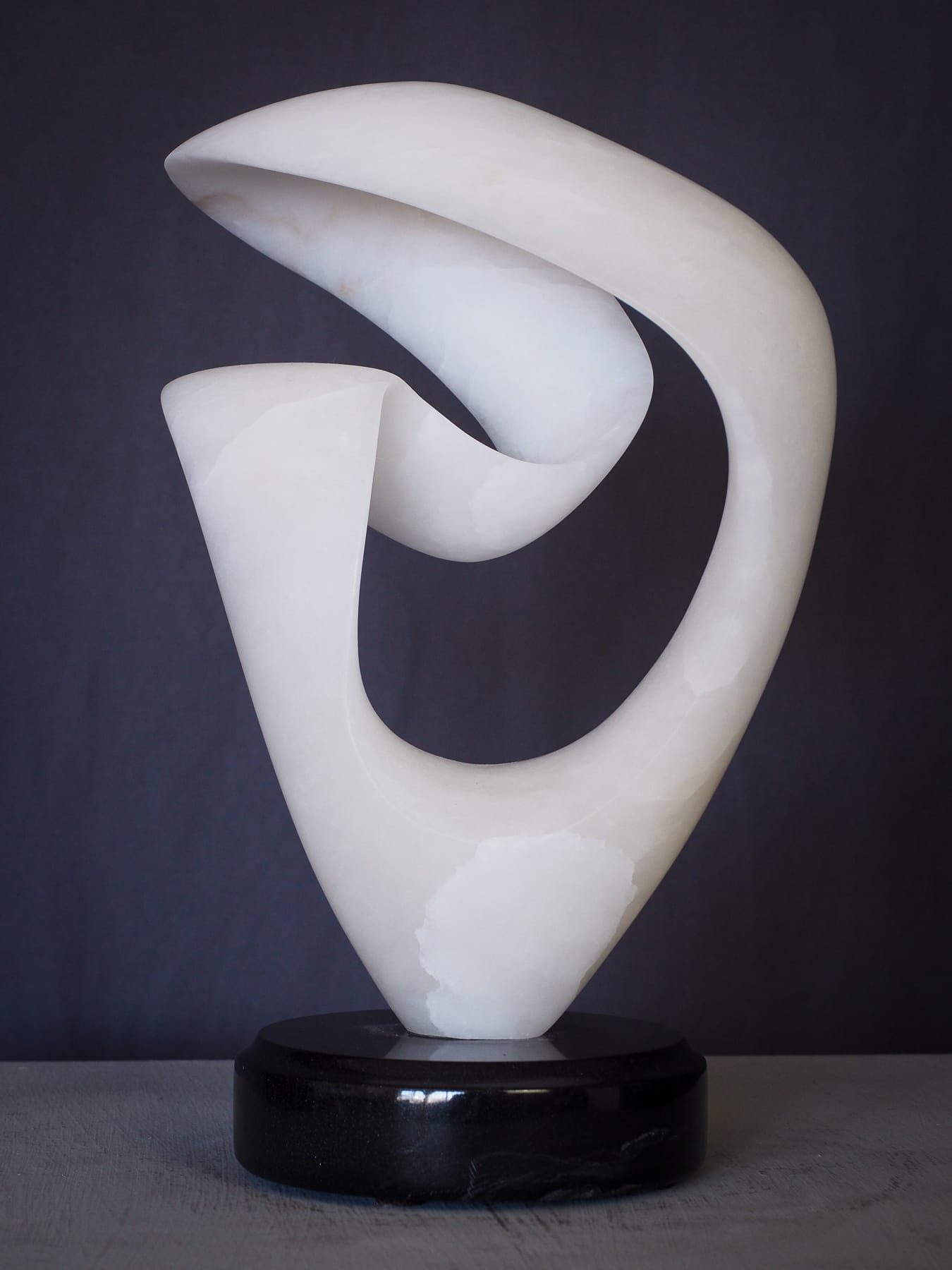
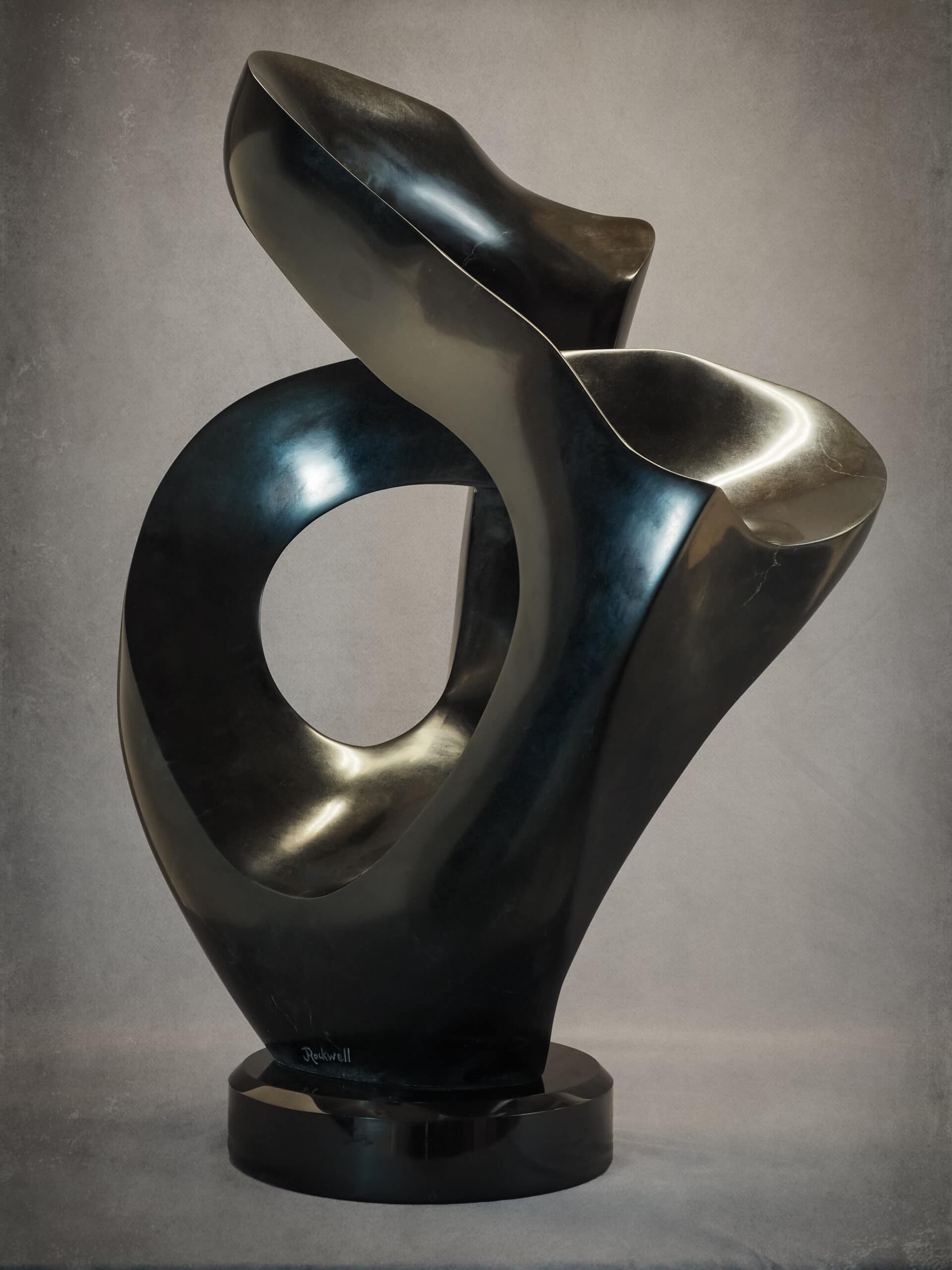
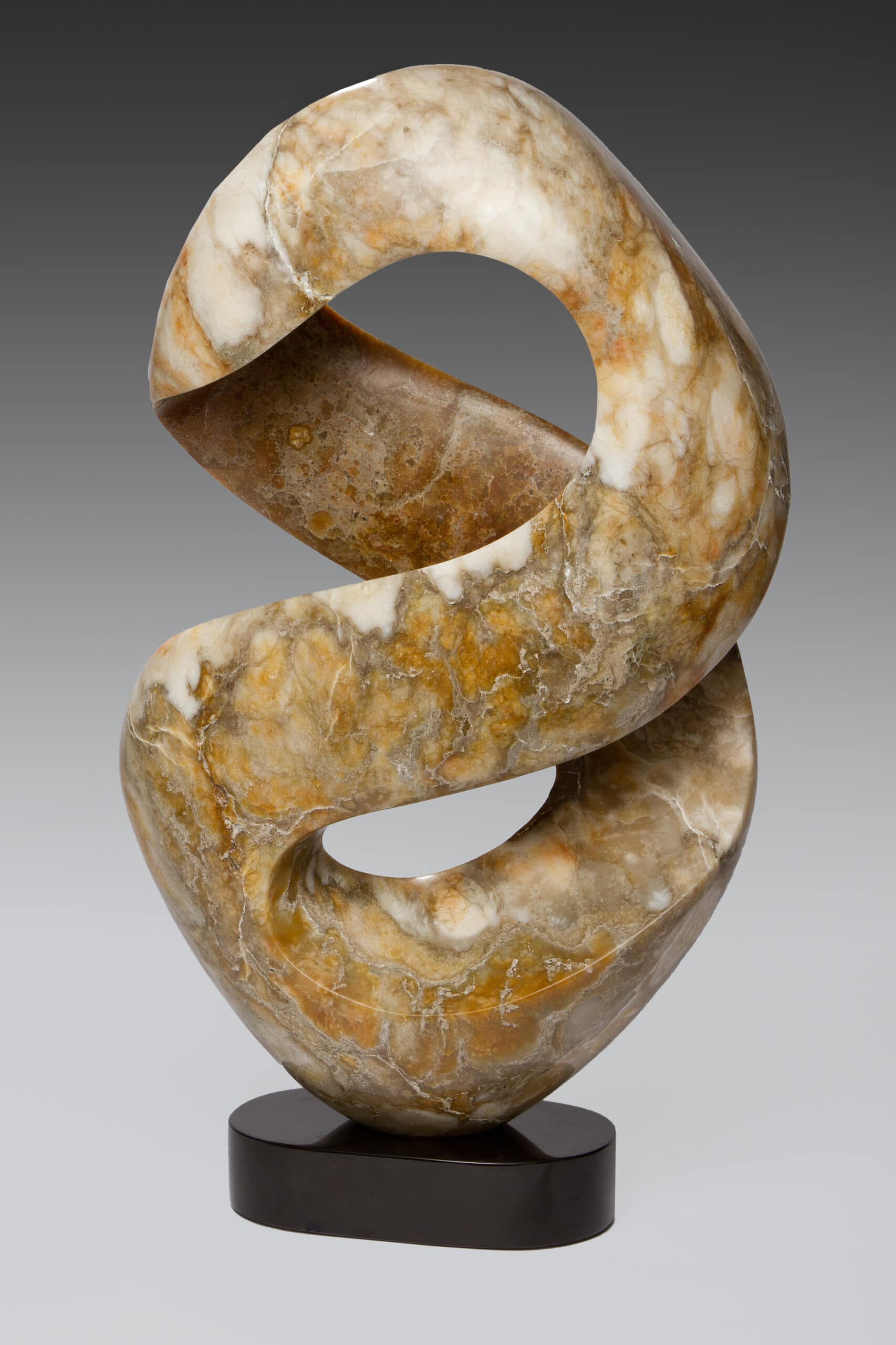
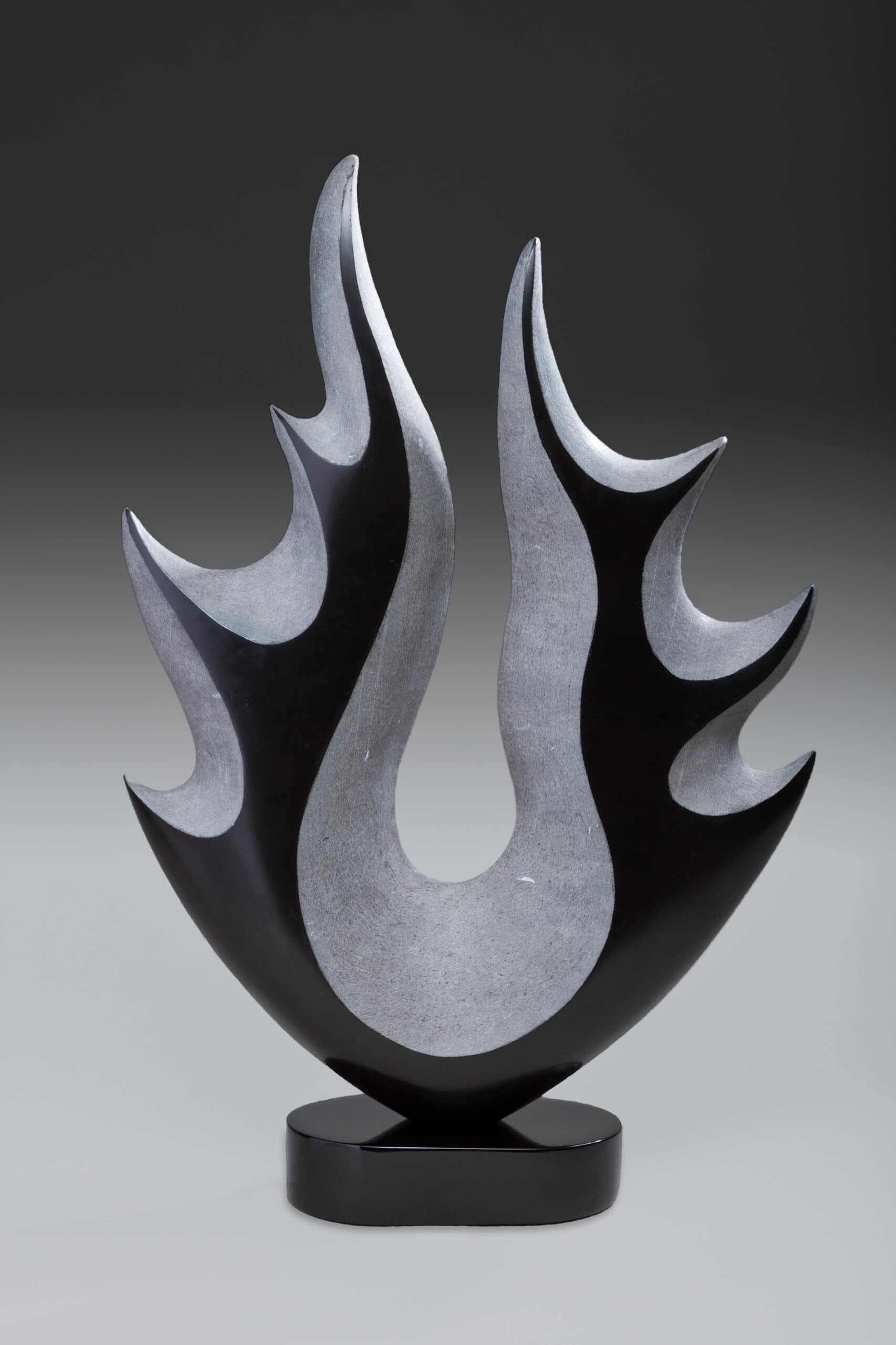
His work begins with observation, intuition, and the quiet process of discovery. Through free-flowing abstract forms and organic figures, Rockwell approaches sculpture as an act of revelation, removing what is unnecessary until the form within finally emerges.
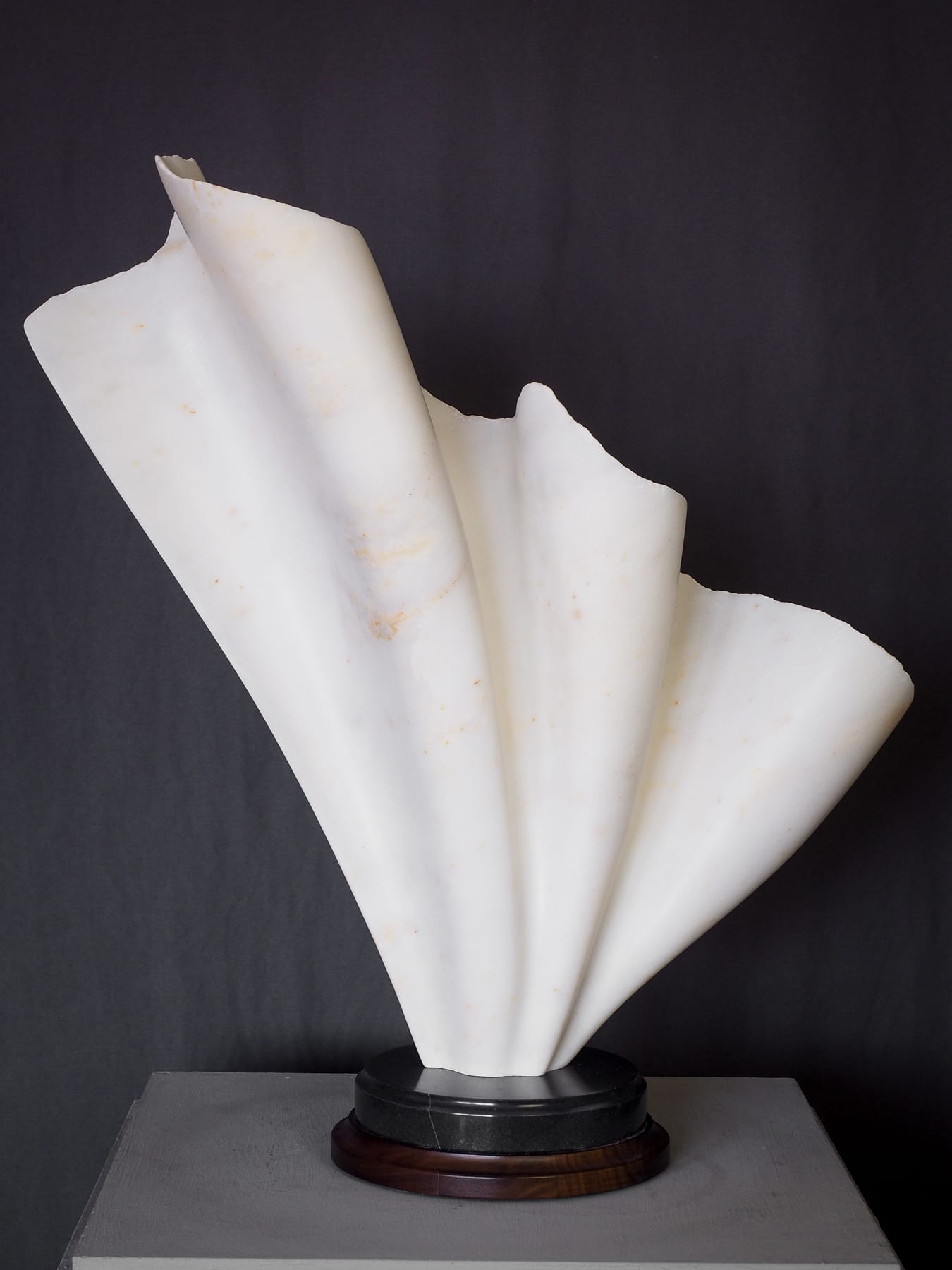
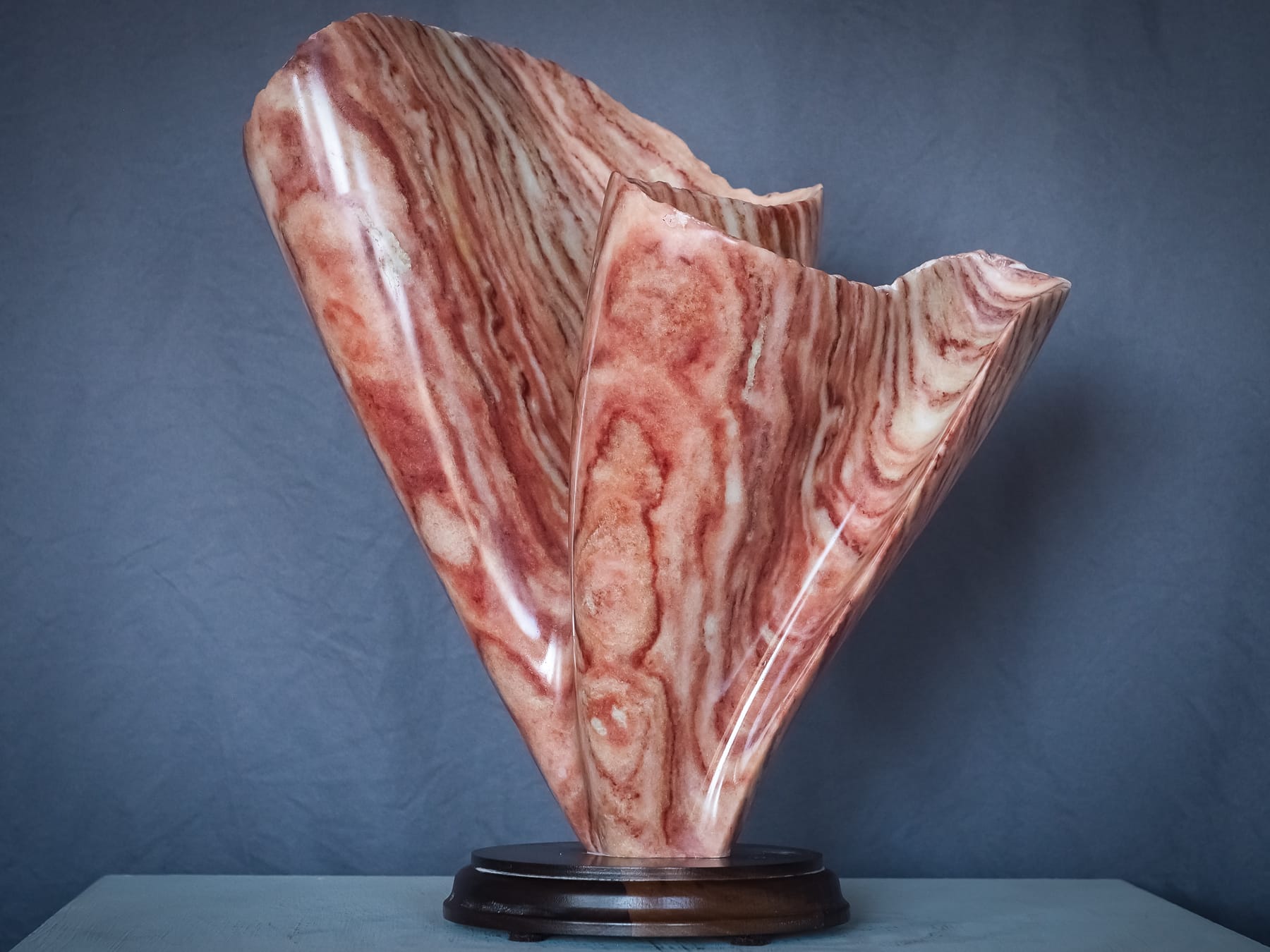
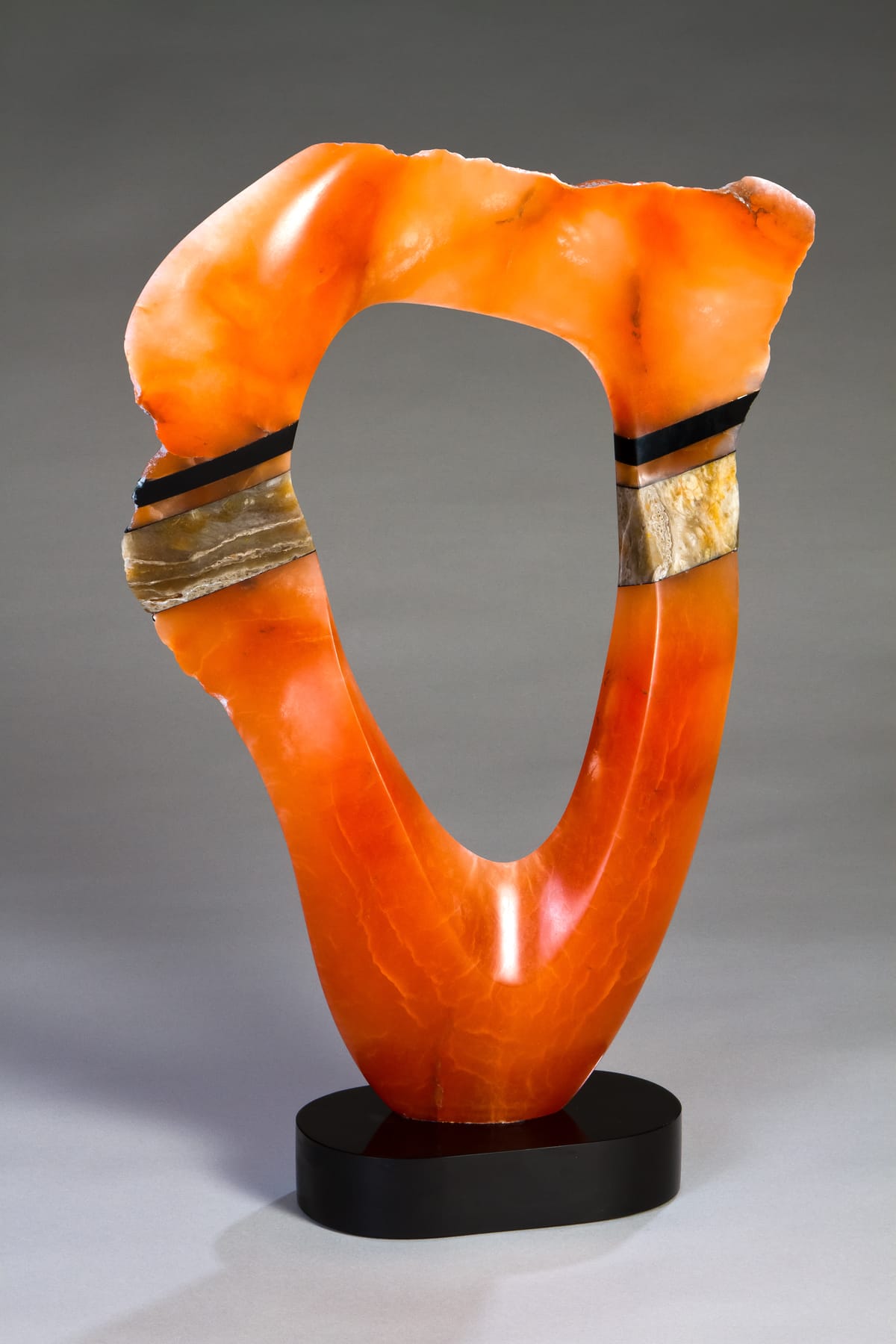
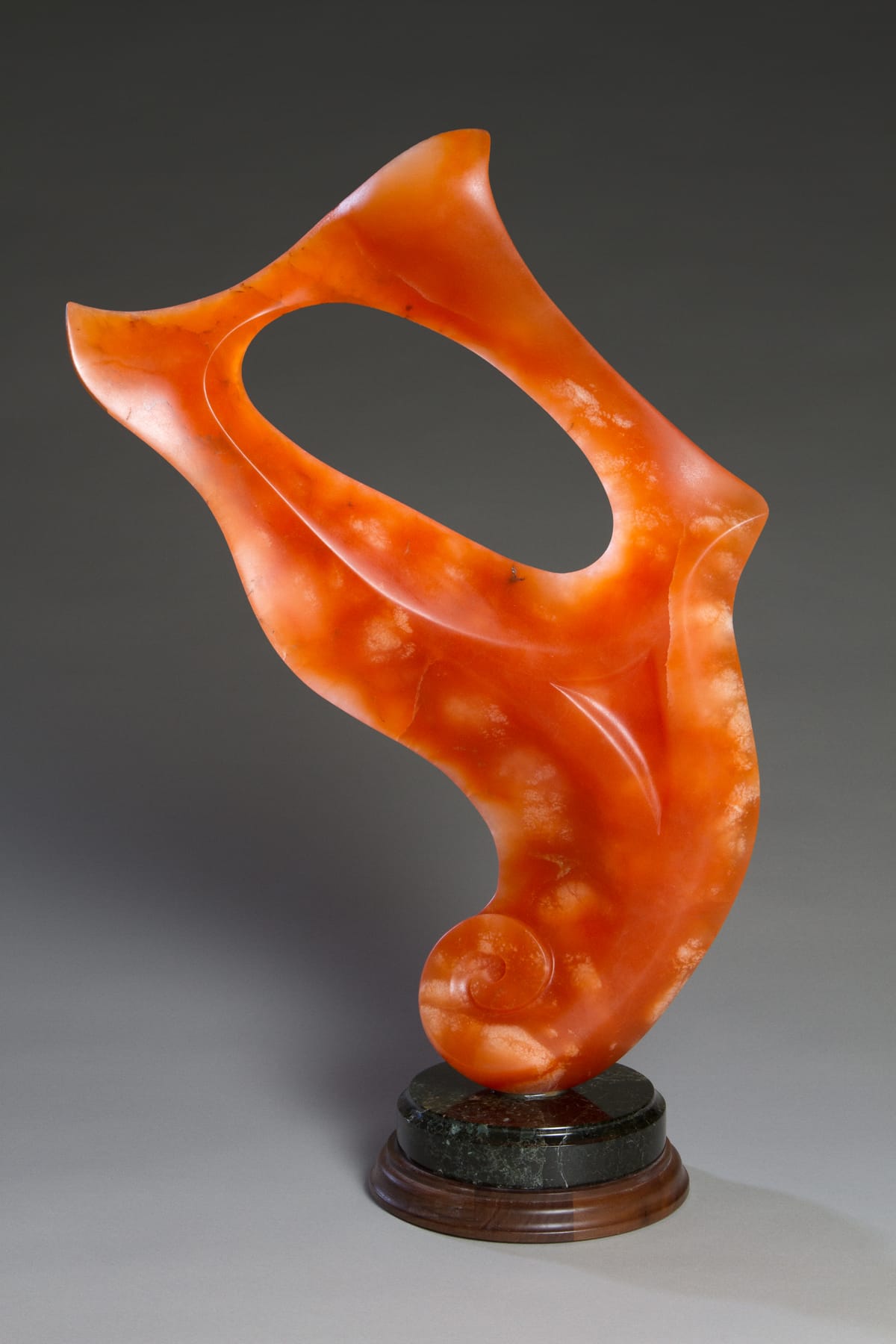
Working primarily in stone, Rockwell has found a medium that offers both challenge and freedom. Rockwell says that he relies heavily on instinct. The stone itself becomes a collaborator, guiding the artist toward shapes that feel both natural and inevitable. This process, Rockwell describes through the concept of pareidolia, the psychological phenomenon in which the human mind seeks recognizable patterns within chaos. It is the same instinct that allows someone to see shapes in drifting clouds or faces within shadows. For Rockwell, that impulse becomes the foundation of his sculptural practice.
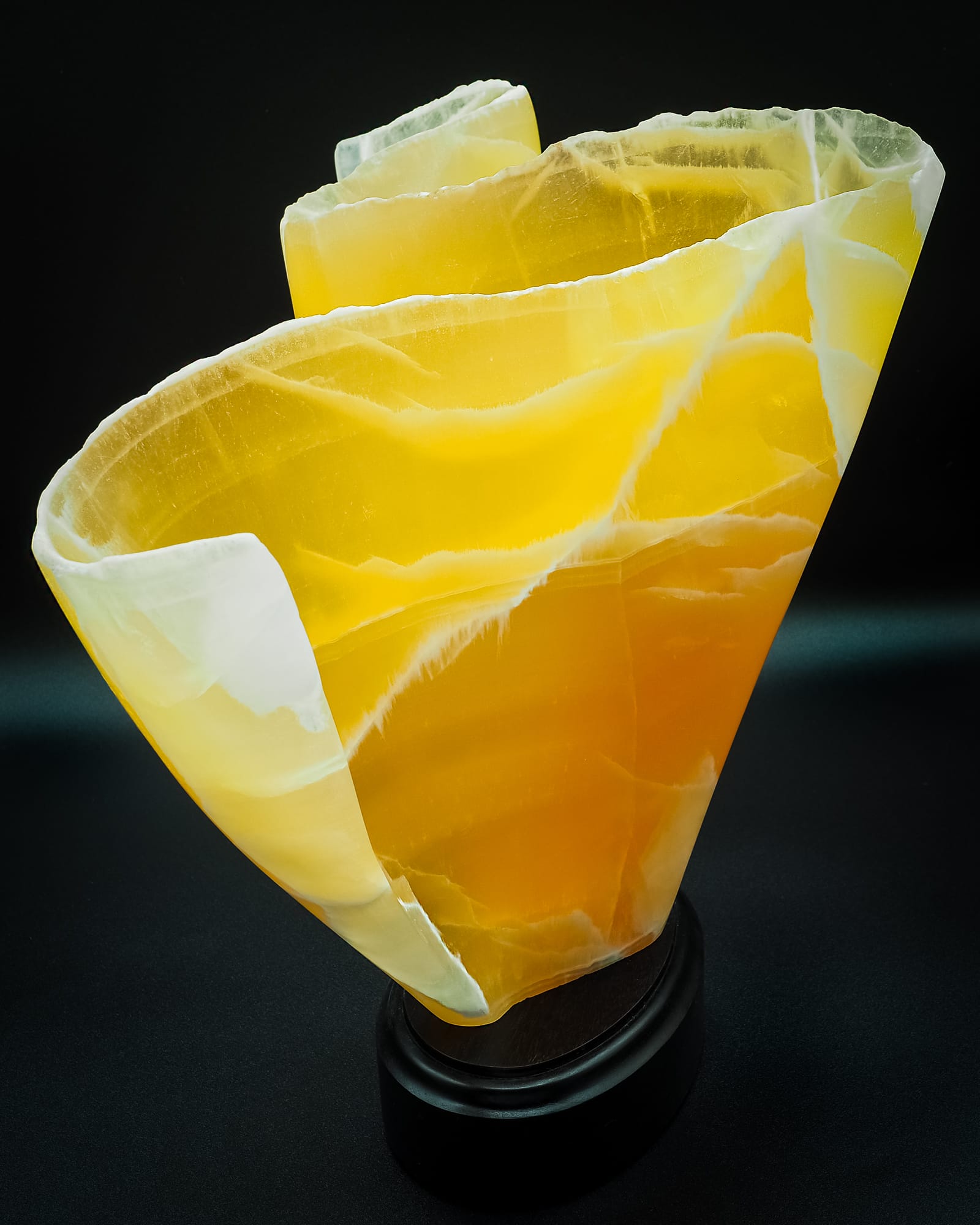
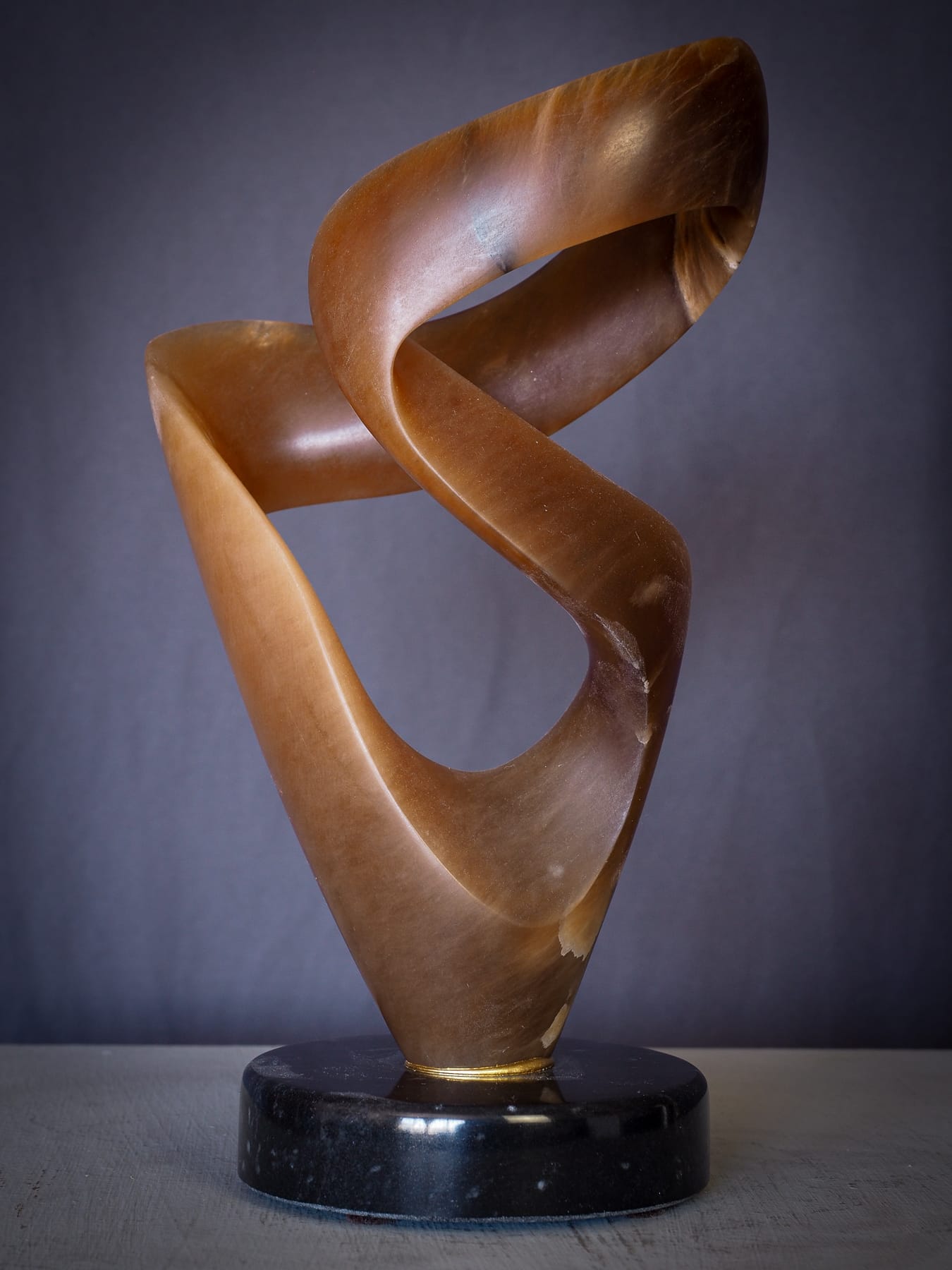
As he studies the natural character of each stone, its texture, color, and translucency, forms begin to suggest themselves. Rather than forcing a predetermined idea onto the material, he allows those suggestions to guide his hand. The sculptor gradually removes excess stone until the hidden structure reveals itself.
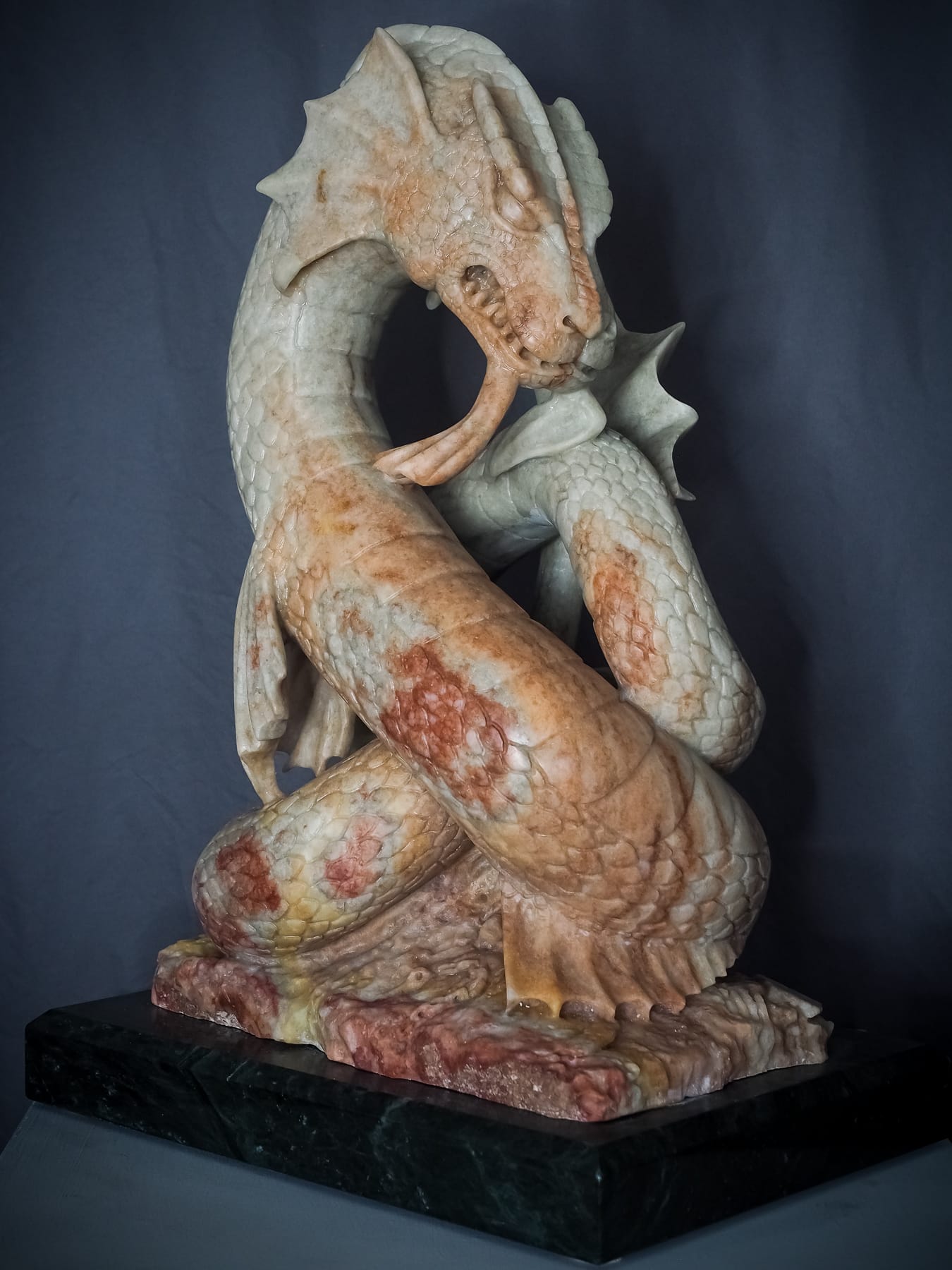
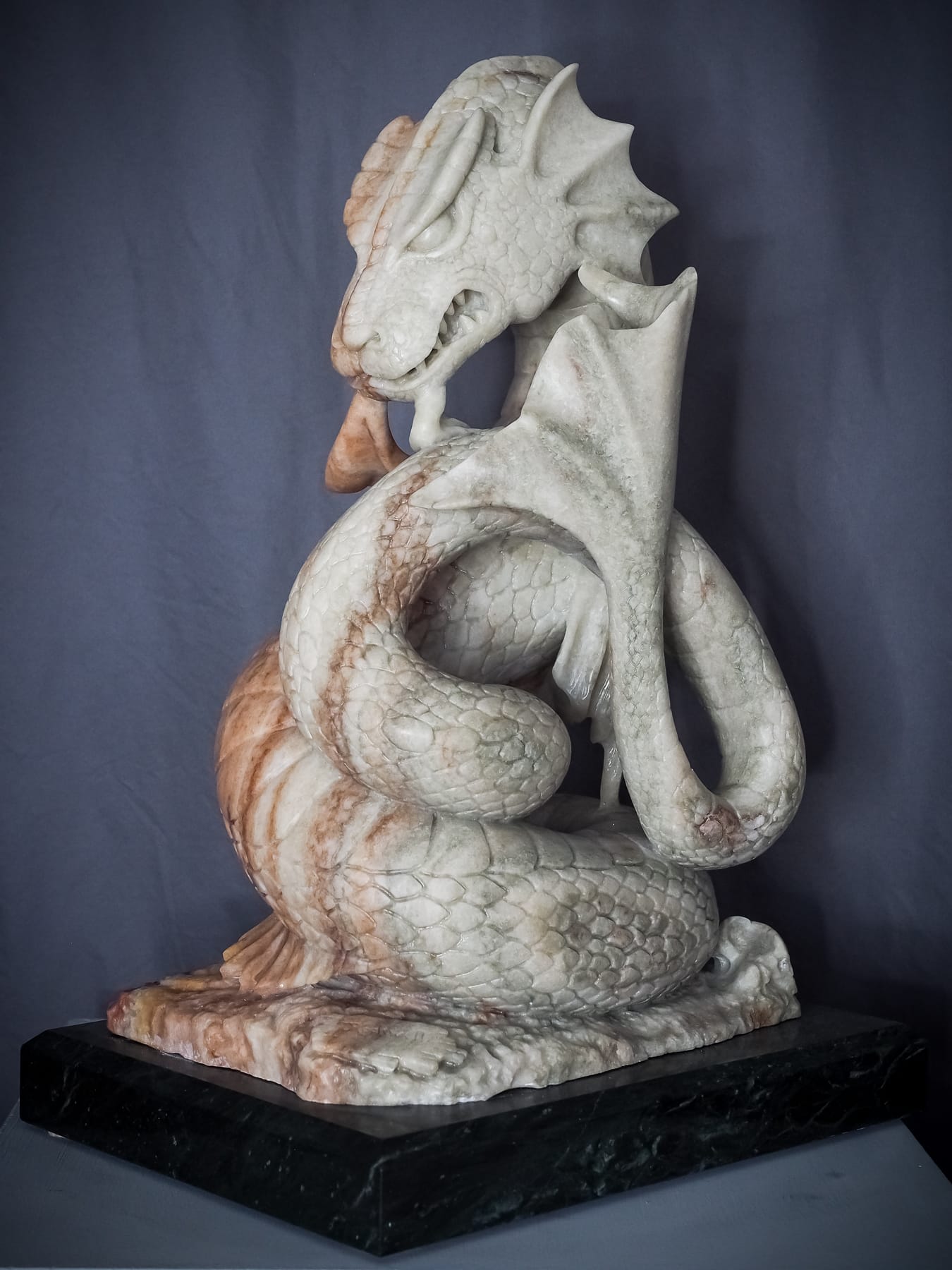
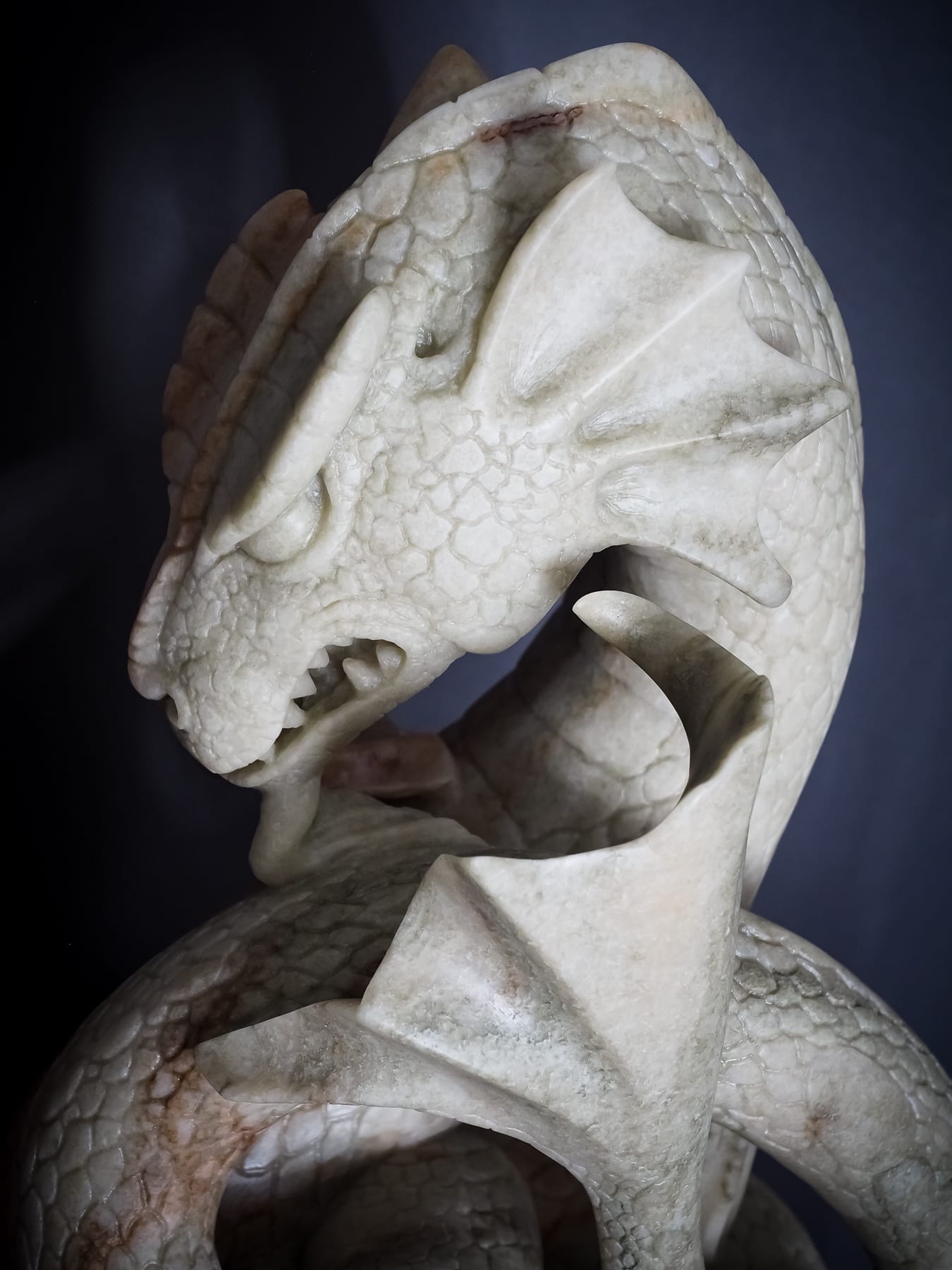
The result is work that feels fluid and organic, often balancing abstraction with hints of recognizable imagery. Some pieces echo the curves of natural forms, while others evoke mythological creatures or figures drawn from the imagination. Rockwell’s journey toward sculpture was not immediate. Early in his career, he worked as a commercial artist after graduating from The Art Center of Tucson. In that role, he collaborated with numerous clients, developing visual solutions for a wide range of projects.
While the experience sharpened his artistic skills, it also revealed the limitations that can accompany commercial work.
Fine art offered something different to Gerald. He appreciated its autonomy, experimentation, and the freedom to follow his creative instincts. Although he was already skilled with pen and brush, Rockwell’s relationship with sculpture began after a transformative trip through Europe. While exploring museums and sculpture gardens across the continent, he discovered a profound connection to three-dimensional form. The experience sparked a desire to work directly with materials that carried weight, permanence, and history.
Upon returning home, he began teaching himself the craft of stone carving, eventually refining his skills under the guidance of mentor Merlin Cohen.
Since then, Rockwell has developed a distinctive sculptural voice rooted in both discipline and spontaneity. Dragons, animals, and forms inspired by nature occasionally emerge through this process. Even the humble desert horned lizard, sometimes affectionately called a “tiny dragon”, can become a source of inspiration. For Rockwell, the most challenging works often prove the most rewarding.
Each stone presents its own personality, shaped by geological forces long before it reaches the artist’s studio. Working with those natural qualities rather than against them becomes part of the creative dialogue. When the process works well, the act of carving feels almost intuitive.
The sculptor’s tools follow the path suggested by the stone itself, transforming rough material into flowing form. The practice demands patience, trust, and a willingness to let go of rigid expectations.
In Rockwell’s words, the process ultimately becomes “seeing with the mind and carving with the heart.” Through this balance of intuition and craftsmanship, Gerald Rockwell continues to uncover the quiet beauty hidden within stone, one sculpture at a time.
geraldrockwell.com | @gerald.rockwell